Why White Farmhouse Is a Strong Branding Asset for Rural & Rustic Businesses
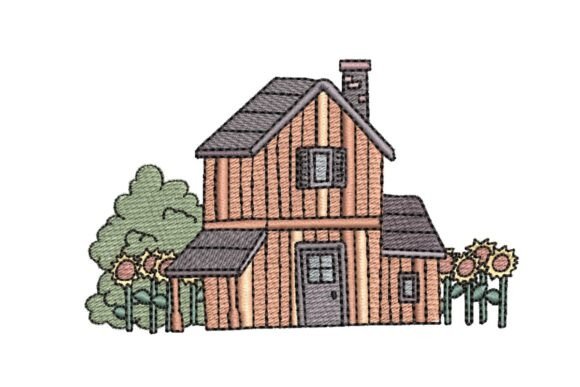
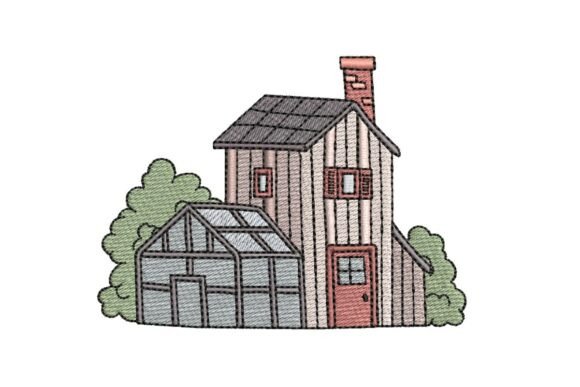
As an embroidery designer specializing in branded merchandise, my first task with any new design is to assess its business potential beyond mere decoration. When I review White Farmhouse, my immediate impression is of a professional, rustic, and friendly visual identity. The description—a tall rustic home with a greenhouse nestled beside it, surrounded by leafy green bushes in earthy tones—promises a design steeped in country charm, but the real test is how that charm translates to commercial embroidery projects.
Evaluating White Farmhouse for Real-World Business Use
For a small café, boutique, handmade shop, bakery, florist, or any business with a rustic, homegrown, or agricultural brand story, White Farmhouse functions as a versatile storytelling tool. Its detailed stitches and composition suggest it's not just a graphic; it's a narrative piece. This makes it an excellent candidate for small business merch aimed at building customer trust and recognition.
Imagine this embroidered patch applied to staff aprons in a farm-to-table restaurant, as a sleeve detail on a boutique’s staff uniforms, or as the central mark on a tote bag sold by a handmade soap shop. The earthy tones evoke authenticity, a key value for buyers seeking handmade product experiences. As a chest logo accent on work shirts for a garden center or a pet brand with a natural ethos, it silently communicates a commitment to a cozy, grounded lifestyle.
Where This Embroidery Design Excels & Where Caution is Needed
The strength of White Farmhouse lies in its potential for larger applications where its details can shine. On an apron design, a tote bag mark, or as a branded product add-on on a product label, the leafy bushes and greenhouse intricacies can create a premium, classic feel that elevates the perceived value of the item. For event merch or as a customer gift, it adds a layer of visual consistency and thoughtful presentation.
Practical Considerations for Embroidery Production
However, its detailed nature requires careful planning for smaller applications. For a cap embroidery on the front panel, or a small patch size intended for a curved surface, the stitch density and fine outlines need scrutiny. High stitch density in a small area can lead to a stiff, bulky patch. I always advise clients to test the embroidery file at the intended small patch size first. Check the thread color contrast, especially if applying the design to dark uniforms; earthy tones might need adjustment for visibility.
Always test on real fabric with the proper stabilizer for the intended substrate—whether it’s a textured canvas tote bag or a smooth cotton apron. Inspect the spacing between elements like the house and bushes to ensure they remain distinct at reduced sizes. Furthermore, creating a printable mockup for client approval before any physical production is a non-negotiable step. This allows you to compare White Farmhouse beside other design assets and ensure it fits the overall brand identity.
Impact on Brand Identity & Professionalism
From a branding perspective, a well-executed White Farmhouse embroidery project can significantly boost a business’s professionalism and handmade presentation. A crisp, clean embroidered patch on a uniform signals attention to detail and investment in quality. It moves branding from a generic printed logo to a tactile, durable emblem, fostering deeper buyer engagement. For an Etsy seller or craft business, using this as a consistent mark on all merchandise builds a recognizable visual library that customers remember.
It’s crucial to remember that the design’s personality—rustic and cozy—must align with your brand’s core message. If your brand is modern minimalist, this design might feel disconnected. But for businesses in the Farm category or those celebrating rustic elegance, it’s a potent asset.
Final Designer Notes Before You Proceed
Before committing White Farmhouse to any commercial embroidery project, conduct these essential checks:
- Test the design in a single color first, like black or white, to evaluate its core structure and outline integrity without color complexity.
- Confirm the necessary hoop size with your machine to ensure the design fits your intended application area without compromise.
- Review the specific thread colors suggested in the design details; earthy tones require careful selection for optimal contrast on your chosen fabric.
- Most importantly, confirm commercial licensing for the digital embroidery file. Never assume a file is licensed for business use; verify the terms before producing merchandise for sale or uniform application.
- Do not proceed without knowing key technical details like approximate stitch count and file format compatibility, which are vital for production planning. If these are not provided in the design description, contact the file seller or check the documentation.
In summary, White Farmhouse is a beautifully evocative machine embroidery design with strong applications for businesses building a rustic, authentic identity. Its success hinges on thoughtful application, thorough pre-production testing, and a clear alignment with your brand’s story. When executed correctly, it transforms from a simple digital file into a tangible symbol of country charm and professional craftsmanship on your merchandise.