A Paw Heart Design Review for Business Branding
When a new embroidery design lands in my library, especially one with a name like Love Embroidery Design, my first question isn't about its decorative appeal. I immediately evaluate its potential as a viable, commercial-grade asset for small business branding. Today, I’m reviewing the Paw Heart Love Embroidery Design from the perspective of a professional embroiderer tasked with applying it to merchandise, uniforms, and patches for clients.
First Impression & Visual Personality
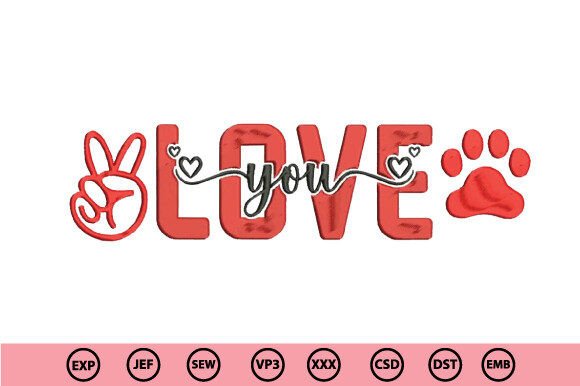
The design’s core concept—a paw forming a heart—creates an immediate, friendly impression. For businesses in the pet care, veterinary, or animal boutique sectors, this is a potent visual shorthand. The aesthetic leans towards a playful yet heartfelt style, balancing a handmade charm with clear, recognizable symbolism. It doesn’t feel overly corporate or cold; instead, it projects warmth, which is perfect for brands wanting to connect emotionally with their community. This personality makes it a strong candidate not just for Valentine's Day items, but for year-round branding that emphasizes care and affection.
Evaluating Real-World Business Applications
As an embroidery file intended for commercial use, its versatility is key. The product description lists clothes, t-shirts, and accessories—a good start. But for a business owner, we need to think bigger.
Embroidered Patches & Product Labels
This design is a prime candidate for creating custom embroidered patches. Patches are incredibly versatile for small business merch: they can be heat-sealed onto tote bags, aprons, or caps as a semi-permanent logo. For a handmade shop or creative studio, a small patch bearing this design on a product tag or label instantly elevates the item, adding a tactile, premium feel. The heart motif reinforces a brand message of love and quality craftsmanship.
Staff Uniforms & Apparel Branding
For a café, bakery, or boutique, uniforms need to be professional yet approachable. Love Embroidery Design could work beautifully as a chest logo on polo shirts or as a subtle sleeve accent on work shirts. On an apron for a florist or pet groomer, it becomes a charming, conversation-starting detail. The design’s likely moderate complexity means it should embroider cleanly on common uniform fabrics like cotton or poly-cotton blends, provided stabilizer is used correctly.
Tote Bags, Caps, & Customer Merchandise
This is where the design can really drive engagement. A tote bag featuring this emblem becomes a branded product a customer might buy or receive as a gift. For event merch or Etsy shop branding, it offers a cohesive visual asset. Cap embroidery, however, requires careful consideration of the design's scaled-down size on the curved front panel.
Critical Considerations for Production Success
Every embroidery designer knows that a beautiful digital file doesn’t guarantee a perfect finished product. Here are my practical notes for using this design in a business context.
- Scale is Everything: Before any production, test the Love Embroidery Design at the intended size, especially for small patches or cap fronts. The paw and heart details must remain clear and not blur into a dense lump at reduced dimensions.
- Color & Contrast: The description doesn’t specify thread colors, so this is a creative decision. Test high-contrast versions first—perhaps a white design on dark fabric for uniforms, or bold reds on lighter items. Always create a physical sample on the actual fabric you’ll use for the final product.
- Fabric & Stabilizer Harmony: Embroidering on a keychain or beauty case means dealing with varied textures. A sturdy stabilizer is non-negotiable for non-textile surfaces or slick fabrics to prevent puckering and ensure clean stitches.
- The Mockup Mandate: Never skip creating a printable mockup or a physical prototype for client approval. Seeing the design in context on a shirt, bag, or apron mockup is crucial for visual consistency across your brand assets.
- Commercial Licensing Check: The product description mentions arts and crafts, but for business use, you must confirm the digital embroidery file comes with a commercial license. This is a fundamental step before launching any branded merchandise line.
Where to Use with Extra Caution
Some applications demand a meticulous approach. The potential for tiny lettering or intricate outlines within the paw-heart shape means you should avoid very small patch sizes unless the design file is explicitly optimized for them. High stitch density could be problematic for lightweight fabrics or items needing frequent washing, like work shirts, as it may make the area stiff and less durable. Always hoop a test piece of the actual garment—a dark uniform fabric might require a lighter underlay or different thread to keep the design vibrant.
Impact on Brand Identity & Customer Perception
Ultimately, the choice of an embroidery design like this is a brand identity decision. For a small business, consistently using this emblem across patches, apparel, and merchandise builds visual recognition. It signals a brand that is personal and invested in its narrative—whether that’s love for pets, handmade quality, or community care. This consistency boosts customer trust and can increase the perceived value of your products. A beautifully embroidered tote bag with this design feels more valuable than a plain one; an apron with this accent looks more professional and dedicated.
In closing, the Paw Heart Love Embroidery Design presents a significant opportunity for small businesses in specific niches. Its friendly, symbolic art translates well across multiple merchandise formats, from custom apparel to branded patches. Success hinges on treating it not as a simple decoration, but as a core design asset: testing it thoroughly, applying it thoughtfully, and ensuring its production meets commercial standards. By doing so, you transform a digital embroidery file into a tangible, brand-building tool that resonates with your audience and strengthens your market presence.