A Designer's Review: The Rustic Charm of Wooden Farmhouse
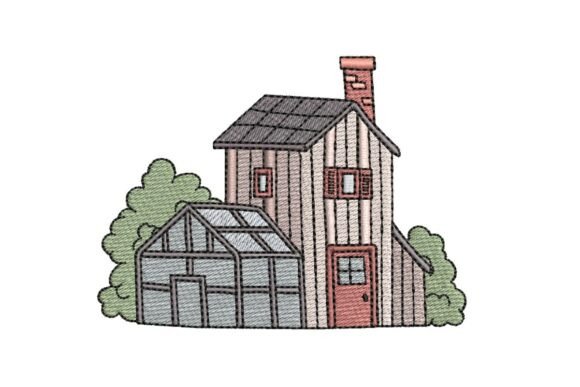
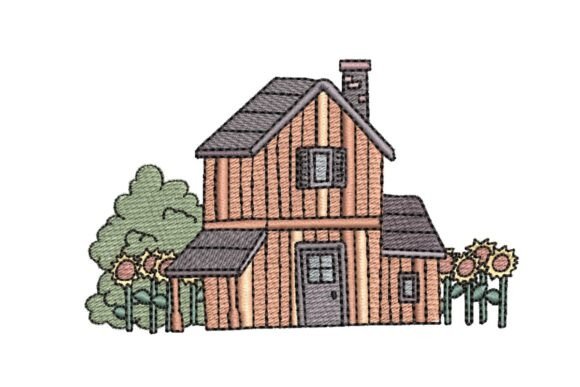
As a designer who regularly evaluates embroidery files for real client projects and my own handmade shop, my first task is always to imagine the finished stitch. When I opened the Wooden Farmhouse design, that process felt intuitive. This isn't just a graphic; it’s a scene with a distinct personality. The tall rustic home and its neighboring greenhouse, nestled among leafy bushes, immediately evoke a sense of cozy, grounded country charm. The earthy tones suggested by the description promise a palette that feels warm and natural, not garish or overly bright. My designer’s eye sees a layout that is balanced—the house is the clear focal point, but the greenhouse and foliage provide supporting detail that fills the space without feeling cluttered. This is a design with a gentle, welcoming visual personality.
The Natural Habitat for This Design
This kind of design doesn’t belong on every product. Its mood points it toward specific embroidery projects. I immediately pictured it on a high-quality cotton tote bag for a farmer’s market vendor or a gardening enthusiast. It would be a perfect, heartfelt addition to a linen apron for someone who loves their kitchen garden. For small business merchandise like a boutique’s branded tea towel or a personalized gift such as a pillow cover for a wedding present to a couple moving into their first home, Wooden Farmhouse carries a narrative. It’s also ideal for baby embroidery on a nursery blanket, offering a soft, storybook-like scene. The aesthetic is versatile within a certain niche: country-style craft business items, holiday gifts with a timeless feel, and custom apparel like a relaxed sweatshirt for a cozy weekend look.
Where the Charm Translates to Stitched Reality
In practical use, the success of an embroidery file hinges on how its details become stitches. For Wooden Farmhouse, the “detailed stitches” mentioned are crucial. On a real embroidered patch applied to a cap or a tote bag design, those leafy bushes and the greenhouse structure will need clear definition. I’d be watching for how the fill stitch areas for the house and the potential satin stitch outlines are managed. Good stitch density here will make the design feel substantial and high-quality, boosting the perceived value of the final product. On a dark fabric background, the earthy tones must have enough contrast to remain visible—this is not a design I would blindly run on black without testing. On the right medium, like a natural cotton or linen, it should sing.
The design feels like it would stitch out with a pleasing clarity on items meant for display, like pillow covers or kitchen towels. This visual appeal directly impacts customer trust and engagement. A clean, well-defined stitch makes a handmade product look professional and intentional, which is vital for Etsy sellers and small shop product listings. It also enhances giftability; a neatly embroidered item feels like a considered, durable present.
Cautionary Grounds: Where to Test First
My experience dictates that even charming designs have limitations. Wooden Farmhouse, with its presumably detailed corners and layered elements, requires careful application on certain substrates. I would approach it cautiously on very small hoop sizes—compressing those details could lead to a muddy stitch. Stitch density must be checked to ensure it isn’t too high for lightweight or stretchy fabrics like t-shirts; a heavy fill could pucker or distort the fabric. Similarly, textured fabrics like certain sweaters might lose the clarity of the greenhouse details.
For curved surfaces like caps, the tall, vertical shape of the farmhouse might need layout adjustment to fit comfortably. And for any product destined for frequent washing, such as baby clothes or aprons, a robust stabilizer choice and durable thread are non-negotiable to preserve that country charm through many uses. It’s also wise to consider how the design works as a digital embroidery file for commercial embroidery projects—its scalability and clarity in different sizes should be confirmed before running it on a large batch of items for a boutique brand.
A Designer’s Practical Checklist Before Hooping
Before I commit this design to a client’s sweatshirt or my own shop’s tote bag, my process is methodical.
- Test on scrap fabric first. This is the golden rule. Use a fabric similar to your final project to see how the thread colors render and how the details emerge.
- Check color contrast. Run a test on both light and dark background scraps. Earthy tones can sometimes get lost on dark fabrics.
- Review the stitch density visually in your software. Are the fill areas overly dense? This affects both the stitch time and the fabric’s hand.
- Confirm the appropriate hoop size for your intended product. The design needs space to breathe.
- Inspect the small details, like the lines of the greenhouse and the leaf shapes. Ensure they are clear and not overly intricate for your chosen fabric texture.
- For digital product sellers creating printable mockups, test the design in black and white previews to ensure the silhouette and detail level are strong even without color.
- Use proper stabilizer. Match the stabilizer to your fabric and the design’s density to prevent puckering.
- Most importantly, check the licensing terms. Before selling finished items or using it in commercial projects, confirm that your use is permitted. Never assume.
This practical groundwork turns a lovely embroidery design like Wooden Farmhouse into a reliable design asset.
The Final Impression: A Design That Builds Trust
When I evaluate a design for real-world use, I’m thinking about the entire chain from digital file to customer reaction. Wooden Farmhouse strikes me as a design that, when stitched well on an appropriate product, builds a sense of authenticity. Its rustic, detailed charm translates into a finished product that feels thoughtful and skilled. For the crafter or entrepreneur, it offers a clear theme that resonates with a specific audience—those appreciating country life, cozy homes, and gardening. It lends itself to brand consistency for a shop specializing in rustic goods.
In my hands, this design would become a premium element on a linen tea towel set or a standout feature on a denim jacket patch. Its value isn’t in flashiness, but in its ability to evoke a warm, grounded mood through stitchwork. That’s the kind of embroidery project that not only fulfills a maker’s creative intent but also meets a customer’s desire for something with genuine character. It reminds us that in machine embroidery, the file is just the beginning; the real magic is in pairing it with the right fabric, the right technique, and the right purpose.