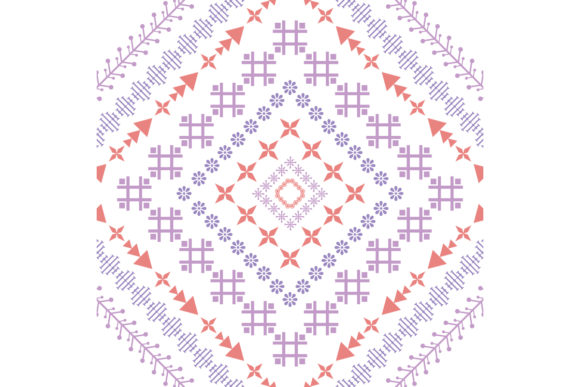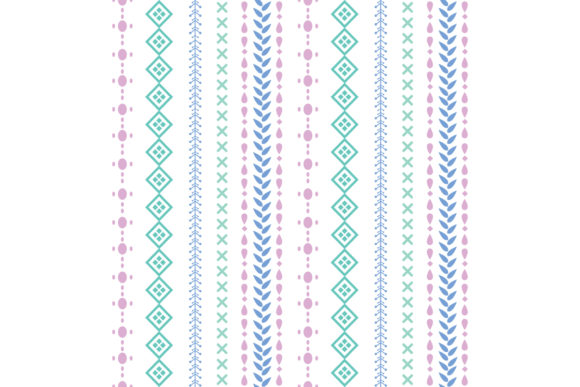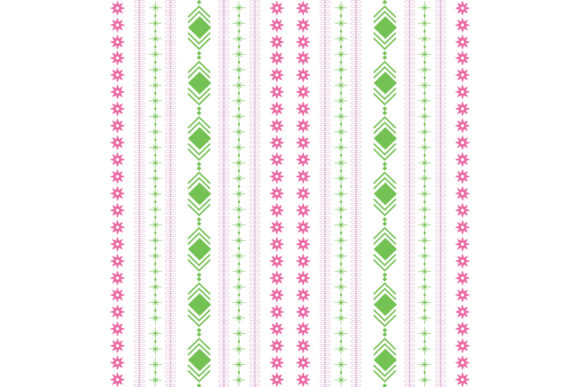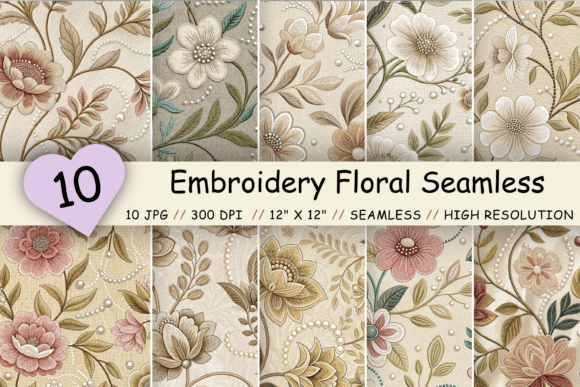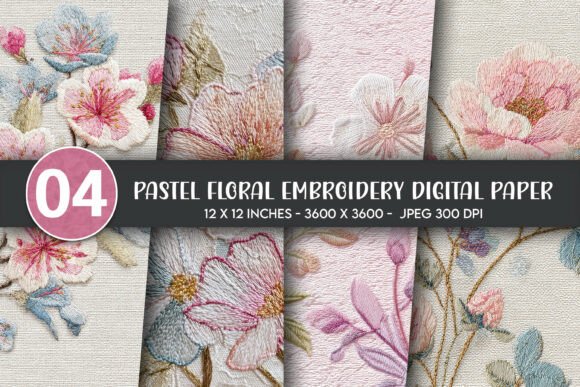
Floral Embroidery Art Style for Business Branding
First Impression: Is This a Professional Brand Asset?
When a business owner or embroidery designer opens The Art Style of Floral Embroidery, the immediate question is whether this pattern collection feels like a genuine brand-building tool or simply a decorative graphic. From the title and description, the emphasis on art style suggests a focus on visual character. My initial review leans toward this being a versatile asset with a handmade yet polished aesthetic. It carries a sense of warmth and craftsmanship, which is perfect for businesses wanting to convey friendly, rustic, or artisanal values. For a boutique, café, florist, or creative studio, this can instantly elevate a simple logo into a more engaging visual signature. However, its success hinges entirely on how it translates from a digital graphic into a physical, stitched product.
Real-World Business Applications: Beyond Decoration
Thinking beyond its decorative label, The Art Style of Floral Embroidery holds significant potential for tangible merchandise. Here is where its value as a Patterns and Graphics collection truly matters for commercial use.
Core Applications for Small Business Merch
- Embroidered Patches: This is a primary use. A floral accent patch can transform a plain tote bag or apron into branded merchandise for a handmade shop or bakery. It can serve as a product label for pet brands or craft businesses.
- Uniform & Apparel Accents: As a chest logo accent or sleeve detail on staff uniforms, it adds a touch of personality without overwhelming the garment. For a café or boutique, this subtle elegance reinforces brand identity.
- Cap & Hat Embroidery: A simplified element from the collection could work beautifully on cap fronts for event merch or team wear, provided the design scales well.
- Tote Bags & Aprons: These are flagship items for many small businesses. An embroidered floral mark increases perceived value and creates a memorable customer gift or promotional item.
- Product Packaging & Branded Add-Ons: As an accent on tags, labels, or packaging, a small embroidered element connects the physical product to the brand’s handmade presentation.
Critical Considerations for Production Success
Not every graphic is perfectly suited for every embroidery scenario. As an embroidery designer, I must stress the following practical points where The Art Style of Floral Embroidery needs careful evaluation before committing to a commercial project.
Technical Execution Points
- Small Scale Performance: Test it at a small patch size immediately. Fine floral details may blur or become too dense if the design isn’t optimized for reduction.
- Curved Surfaces & Fabric Texture: Applying it to cap fronts or curved bag surfaces requires a stable, well-digitized file. The texture of the base fabric (like canvas on a tote or twill on a cap) will dramatically affect the final look.
- Stitch Density & Washability: High stitch density in a floral design can make patches stiff and items less comfortable for frequent washing, crucial for work shirts and aprons.
- Thread Color & Contrast: Review the suggested thread colors. On dark uniforms or bags, contrast is key for visibility and professionalism.
Designer's Pre-Production Checklist
Before running the machine, I follow this protocol with any new design asset like this one:
- Always test the embroidery file in a single color (black or white) first to check clarity of form.
- Create a physical sample on the actual target fabric (cotton, polyester, canvas) using the proper stabilizer.
- Confirm the practical hoop size needed and if the design allows for efficient production.
- Generate a printable mockup for client approval, showing how it integrates with other brand assets.
- Most importantly: verify commercial licensing for the digital embroidery file. The description notes it's for decoration, but business use requires clear commercial rights.
Impact on Brand Identity and Customer Perception
Choosing The Art Style of Floral Embroidery is not just a production decision; it's a brand strategy move. For a small business, embroidered details directly influence customer trust, recognition, and perceived value.
Building Professionalism and Trust
A well-executed embroidered patch or logo conveys attention to detail and quality. It moves a brand beyond a printed sticker or vinyl decal, suggesting a commitment to craftsmanship. For an Etsy seller or handmade brand, this alignment with handmade product values is authentic and powerful.
Enhancing Product Value and Engagement
Customers engage differently with embroidered merchandise. A tote bag with a floral embroidered design feels more premium than a printed one, increasing its worth as a gift or purchase. On staff aprons in a bakery or studio, it fosters a cohesive, professional team image that customers notice and remember.
The key is visual consistency. If this floral art style becomes the accent across your patches, uniforms, and bags, it creates a strong, recognizable brand language. However, if the design is too busy or doesn’t scale, it can appear inconsistent and damage that professional image.
Final Designer Recommendations
The Art Style of Floral Embroidery presents a compelling opportunity for businesses seeking a warm, artisanal brand accent. Its potential as a machine embroidery design for custom apparel and merchandise is significant, but it is not a universal solution.
I recommend it strongly for businesses where a handmade, elegant, or rustic aesthetic is core—think florists, artisan cafés, boutique shops, and creative studios. Use it as an accent, not a primary complex logo. Be meticulous in pre-production testing, especially for small-scale applications like product labels or cap embroidery. Ultimately, its success in your small business merch lineup depends on treating it as a serious production asset, not just a decorative graphic. Confirm its technical specs, license it properly for commercial embroidery, and let it blossom as a thoughtful detail that genuinely enhances your brand’s story.