Mandala Style Flower: A Designer's Review for Business Merchandise
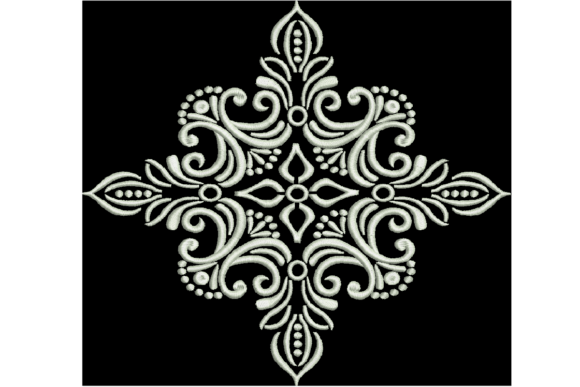
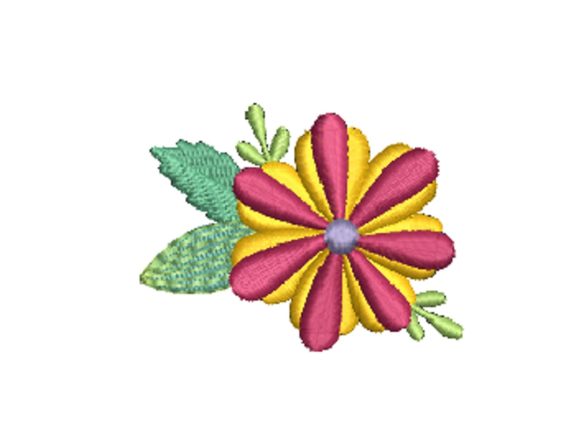
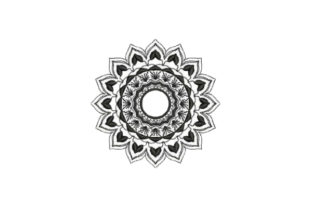
As an embroidery designer working primarily with small businesses and brand creators, I see countless designs intended for commercial use. When considering a new asset like Mandala Style Flower, my first question is always: "Will this elevate a brand's merchandise, or is it merely decorative?" From its title and description, this floral mandala embroidery design presents an intriguing mix of structured geometry and organic beauty. My initial impression is that it leans toward a friendly, premium, and handmade aesthetic—a versatile look that can be adapted to feel either modern and playful or classic and elegant depending on application and color choice.
The Visual Personality and Business Brand Alignment
A floral mandala inherently carries positive connotations: balance, focus, and natural beauty. For a small business, this can be a powerful asset. A café, bakery, florist, or boutique using Mandala Style Flower on their merchandise instantly communicates a sense of care and creativity. The "unique features" mentioned in the description suggest it isn't a generic stock image, which is crucial for brand identity. A handmade shop or Etsy seller could use this design to reinforce their artisan values, making customers feel the product is special and thoughtfully crafted. For a creative studio or pet brand, it adds a layer of sophistication without being overly corporate.
The key for business use is visual consistency. If this design becomes the central logo accent or a recurring sleeve detail across uniforms, tote bags, and aprons, it builds strong customer recognition. Its intricate, presumably symmetrical nature can make a brand feel established and trustworthy. However, its success depends entirely on execution. A poorly embroidered version on cheap fabric will undermine that premium feel, while a well-produced piece on quality merchandise can significantly increase perceived product value and buyer engagement.
Real-World Application: Where This Design Excels
Let’s translate that visual personality into tangible items. For custom apparel like staff uniforms or work shirts, Mandala Style Flower could serve as an excellent chest logo or a subtle sleeve detail. Its radial design tends to draw the eye inward, creating a focal point. For a embroidered patch, this design has strong potential. Patches are fantastic for small business merch—they can be applied to aprons, caps, or sold as standalone collectibles for event merch. The mandala structure often means the design is self-contained and balanced, which is ideal for a patch shape.
Cap embroidery is another prime candidate. The circular, centered nature of a mandala often fits perfectly on the front of a cap. For a tote bag design or an apron embroidery mark, it provides a decorative yet professional brand signature. As a product packaging accent—think sewn onto a pouch for a handmade shop’s goods—it directly enhances the handmade product presentation. For digital sellers, creating a printable mockup featuring this design on various merchandise can be a powerful sales tool for client approval or online store listings.
Practical Performance and Production Considerations
Moving from concept to stitch, a professional must evaluate practical performance. The description notes it comes with multiple embroidery file formats, which is essential for commercial embroidery. Different machines require different files, and this flexibility allows shops to service more clients. However, the designer must always check those details before production. I cannot advise on specific stitch count, hoop size, or license terms from this description alone—you must verify them with the file provider.
Critical embroidery designer notes for using Mandala Style Flower in business projects include:
- Test it in black and white first. This reveals the pure structure, shadow, and density without color bias. It tells you if the design holds its form.
- Check if it works at small patch size. Mandalas can become muddy when shrunk. Test the smallest size you intend to use for, say, a product label or small cap front.
- Review thread color contrast. The design's "brighten up" promise depends on color choice. High contrast between elements may be needed on dark uniforms.
- Inspect spacing and stitch density. High stitch density in a mandala can lead to stiffness on flexible items like caps or on textured fabric. It also affects production time.
- Test on real fabric. Never rely on a screen preview. Stitch it on the actual fabric texture you'll use—denim for tote bags, twill for caps, poly-cotton for uniforms.
- Use proper stabilizer. This is non-negotiable for a clean, professional finish on any merchandise, especially items that need frequent washing.
- Create a mockup for client approval. Before committing to a bulk run for a small business’s staff uniforms, show them how it looks on a digital or physical sample.
- Compare it beside other design assets. If the business has a logo or font, stitch the mandala alongside it to ensure visual harmony.
- Confirm commercial licensing before business use. Ensure the digital embroidery file purchase allows for reproduction on merchandise for sale.
Potential Pitfalls and Areas for Caution
While versatile, Mandala Style Flower requires careful application in certain scenarios. On curved surfaces like tightly curved cap fronts, intricate outlines might distort if not properly digitized for that surface. If the design incorporates tiny lettering or ultra-fine details within its floral patterns, these could fill in or break on rough fabrics or at very small sizes. Its potential for high stitch density, common in detailed mandalas, could make it heavy and stiff for lightweight apparel or delicate items.
For small businesses focusing on durability—like work shirts or aprons for a bakery that undergo frequent washing—a very dense design might show wear more quickly on edges. The choice of thread colors is also paramount; a multicolor, bright scheme might clash with a brand’s established color palette, so adaptation to a limited, brand-aligned color set is often wise.
Final Assessment for Brand Merchandise Value
In conclusion, Mandala Style Flower presents itself as a robust machine embroidery design for small business merch. Its floral mandala foundation offers a blend of artistry and structure that can enhance brand identity across a wide range of applications—from the rustic charm of an apron for a local café to the polished professionalism of a boutique’s tote bag. Its success in building customer trust, recognition, and perceived value hinges entirely on professional execution: proper testing, mindful application, and high-quality production. For the embroidery shop or merch creator, it represents a versatile asset. For the small business owner, it could become the beautiful, consistent mark that makes their merchandise feel cohesive, crafted, and genuinely branded. Always remember: the file description is the starting point. Your professional diligence in testing and adaptation transforms a promising embroidery file into a trusted design asset for your client’s finished product.