A Designer's Review: Using the 'Flower' Embroidery Design for Business
As an embroidery designer working with small businesses, I constantly evaluate digital designs for their real-world application on merchandise and branded patches. Today, I’m reviewing a design simply titled Flower. From a professional standpoint, this Floral embroidery file presents intriguing possibilities and some classic considerations for commercial use.
First Impression & Brand Personality
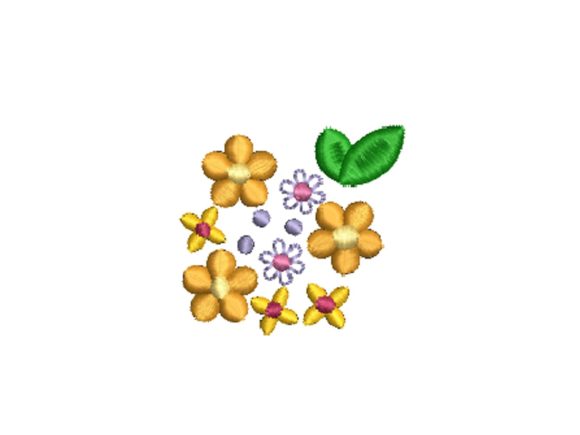
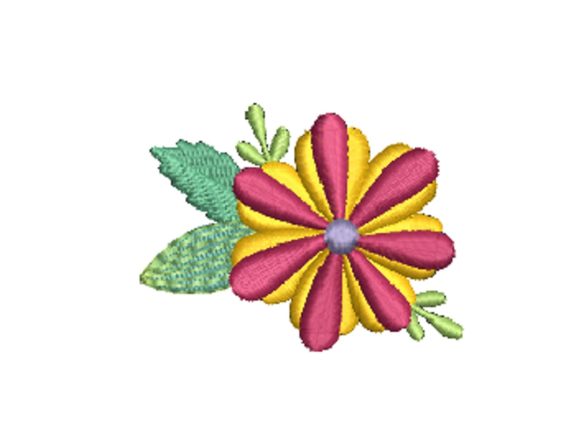
The name Flower suggests a versatile starting point. This design could lean towards a friendly, rustic feel for a bakery or café, or be executed with elegance for a boutique or creative studio. Without seeing the specific rendering, the category implies a natural, approachable asset. For a pet brand or florist, it could be a perfect literal match; for others, it becomes a symbol of growth, beauty, or handmade care. The key is how the design’s visual style—whether bold and graphic or delicate and detailed—translates that initial impression into a cohesive brand identity.
Practical Performance on Business Merchandise
Evaluating Flower for small business merch means thinking beyond decoration to function and durability.
Patches & Product Accents
An embroidered patch version of Flower offers immense flexibility. It could serve as a product label for a handmade shop, a sleeve detail on staff uniforms, or an accent on custom apparel like tote bags. The design’s success here hinges on its clarity at small sizes. If the design has intricate details or tight outlines, reducing it for a cap front or small patch might require simplification. Always test the embroidery file at the intended patch size on similar fabric before full production.
Uniforms & Workwear
For aprons, work shirts, or caps, Flower can elevate standard gear. On a café apron, it adds a touch of charm; on a boutique staff shirt, it reinforces a curated aesthetic. Consider fabric texture and color. Embroidery on dark uniforms needs thoughtful thread color contrast for visibility. For items facing frequent washing, like aprons, a balanced stitch density is crucial—too dense can stiffen the fabric, too light may not withstand wear.
Tote Bags & Customer Gifts
This category is a strong fit. Flower embroidered on a tote bag creates premium, reusable merchandise for event swag, customer gifts, or Etsy branding. The larger canvas allows the design to shine, but hoop size and stabilizer choice become critical to ensure a clean finished product on often thicker bag materials.
Strategic Application & Areas for Care
Not every application is ideal. A professional review must highlight where Flower might need extra attention.
- Small Scale Applications: On cap fronts or tiny product labels, fine details may get lost. Test thoroughly.
- Curved Surfaces: Embroidering on curved cap fronts requires a design that adapts well to the shape without distortion.
- High-Density Areas: If the design has areas of high stitch density, it could pucker on lightweight fabrics or be uncomfortable on caps.
- Thread Color Planning: For brand consistency, select thread colors that align with your other visual assets. Always test in black and white first to gauge the design’s fundamental form and contrast.
Impact on Brand Identity & Customer Perception
Using Flower effectively goes beyond stitching; it builds brand equity.
A well-executed embroidered patch or apron design fosters customer trust and recognition. It signals professionalism and care, increasing the perceived value of your merchandise. For a handmade product business, it reinforces the artisan touch. Visual consistency across your tote bags, uniforms, and product packaging creates a memorable brand experience that boosts buyer engagement. This design, as part of your suite of design assets, should feel cohesive with your logo and overall style.
Essential Designer Notes for Commercial Use
Before running this machine embroidery design for commercial embroidery projects, follow these practical steps.
- Verify Commercial Licensing: Confirm the license for this digital embroidery file permits business use. This is a foundational step.
- Create a Physical Test: Hoop the appropriate size, use proper stabilizer, and stitch Flower on a scrap of your actual production fabric (e.g., denim for totes, twill for caps).
- Assess at Target Size: If using it for patches, embroider it at the exact finished dimensions you plan to sell or apply.
- Check Color Contrast & Spacing: Look for clear separation between elements. Poor spacing can lead to thread bunching.
- Generate a Printable Mockup: Before client approval or your own commitment, create a mockup to see how the design integrates on the final product (a cap, bag, shirt).
- Compare with Other Assets: Place the stitched sample beside your logo and other branded materials. Does it complement them?
Ultimately, the Flower embroidery design holds potential as a versatile asset for small business merch. Its Floral nature carries universal appeal. Success lies in methodical testing, mindful application, and aligning its execution with your brand’s story. Whether it becomes a subtle sleeve detail on staff uniforms or a bold centerpiece on a tote bag, this digital design’s value is realized not in the file itself, but in the professional, branded finished product it helps you create.