Assessing Cute Floral Embroidery Style for Business Merchandise
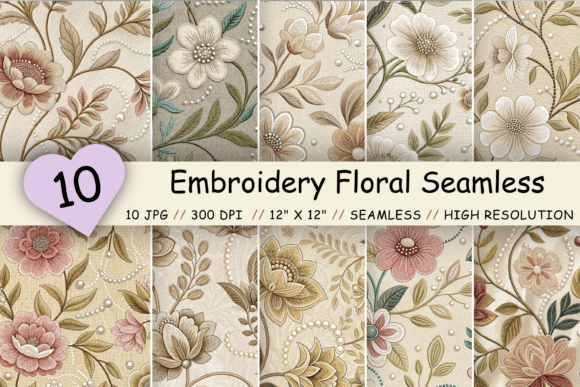
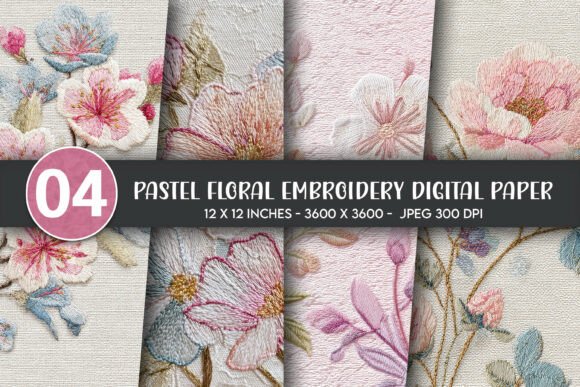
When a new embroidery design arrives for review, my first step is to assess its potential not as decoration, but as a functional brand asset. The Cute Floral Embroidery Style immediately presents a friendly, approachable, and handmade aesthetic. Based on its title and description, this pattern leans towards a playful yet classic feel, suggesting warmth and creativity. For small businesses, this visual personality is a powerful tool. It feels less corporate and more connected—perfect for cafés, boutiques, florists, bakeries, and creative studios wanting to communicate a personal touch.
Visual Personality and Brand Alignment
The “cute” descriptor is key. This design won’t project stark minimalism or aggressive boldness; it will project charm. For a business, this translates to a friendly brand identity. Imagine a local pet brand using this on its staff t-shirts, or a handmade soap shop incorporating it into product label accents. It builds customer trust through a visual cue that feels caring and attentive. However, its success depends entirely on alignment. For a law firm or a tech startup, it might feel mismatched. For businesses where connection, craft, and warmth are central to their value proposition, Cute Floral Embroidery Style can significantly enhance that handmade presentation and buyer engagement.
Performance in Real-World Business Applications
My review always focuses on how a design performs when stitched onto actual merchandise. Here’s where Cute Floral Embroidery Style shows its strengths and demands careful consideration.
Prime Applications for Branded Merchandise
This pattern excels in applications where its decorative, friendly nature can shine without compromising durability or clarity.
- Embroidered Patches: As a standalone patch for tote bags, backpacks, or as a product add-on, it creates a premium, bespoke feel. It’s ideal for boutique merchandise or customer gifts.
- Apron & Uniform Accents: A single floral cluster on a chef’s apron or a boutique staff’s shirt sleeve acts as a subtle, professional brand mark that elevates the uniform.
- Tote Bag & Cap Designs: As a central mark on a canvas tote or delicately placed on a cap front, it transforms generic merchandise into branded assets.
- Product Packaging & Labels: Used as a small embroidered accent on fabric tags or packaging, it adds tangible value and visual consistency to a product line.
- Event Merchandise & Etsy Branding: For craft businesses or Etsy sellers, this design can become a recognizable asset across product photos, printable mockups, and the actual finished product.
Applications Requiring Extra Caution
Floral patterns, especially “cute” ones with likely detail, have inherent challenges in commercial embroidery.
- Very Small Patch Sizes: If scaled down for a tiny logo (under 1.5 inches), intricate floral elements may blur into a dense, indistinct blob. Stitch density becomes critical.
- Curved Surfaces & Cap Fronts: On curved areas like caps, the design’s outline and spacing must be tested to prevent distortion.
- Dark Uniforms & Fabric Texture: On dark fabrics like black polo shirts, thread color contrast is paramount. Light, pastel threads in the design may not pop without careful selection. Textured fabrics like heavy cotton duck can also swallow detail.
- Items for Frequent Washing: High stitch counts in dense floral areas can make fabric less flexible and potentially more prone to wear under repeated laundering—a concern for work shirts or aprons.
The Professional Designer’s Pre-Production Checklist
Before you commit this Cute Floral Embroidery Style to a production run for your small business merch, follow these practical steps. They save time, money, and ensure your brand looks its best.
- Test in Black and White First: Run a test stitch using only black thread on white fabric and white thread on black fabric. This strips away color and reveals the true structure, outline clarity, and potential issues with small details.
- Check Minimum Size Functionality: Hoop the design at the smallest size you intend to use (e.g., for a cap front or small patch). Does every element remain recognizable? This is the most common oversight.
- Review Thread Color Contrast: Compare the suggested or default thread palette against your actual merchandise fabrics. Ensure there’s enough contrast for the design to be visible and legible.
- Inspect Spacing and Stitch Density: Look closely at the digitized file. Are areas too densely packed? This can lead to puckering on light fabrics and stiffness on finished products.
- Confirm Hoop Size Compatibility: Ensure the machine embroidery design fits comfortably within the hoop size your machine uses for the target item (like a 4x4 hoop for caps).
- Test on Real Fabric Samples: Stitch the final version on a scrap of the exact fabric you’ll use for your uniforms, tote bags, or aprons. Use the proper stabilizer for that fabric texture.
- Create a Printable Mockup for Client Approval: If you’re the designer creating merch for a client business, always provide a visual mockup. It confirms alignment with their brand identity.
- Compare Beside Other Brand Assets: Place the embroidered sample next to your website logo, packaging, and other graphics. Does the Cute Floral Embroidery Style maintain visual consistency with your overall brand?
- Confirm Commercial Licensing: As this is listed under Patterns and Graphics, explicitly verify that the digital embroidery file comes with a license for commercial embroidery use. Never assume.
Final Verdict for Small Business Use
The Cute Floral Embroidery Style is a strong candidate for businesses whose brand personality is built on warmth, creativity, and a handmade ethos. It can elevate the perceived value of custom apparel, turning a simple tote bag into a coveted branded item. Its risk lies in technical execution—without thorough testing at small sizes and on target fabrics, its cute details could become a muddy, problematic mark. For the embroidery shop or apparel decorator producing this for clients, your professionalism is demonstrated by conducting these tests. For the small business owner, bakery, or crafter using it directly, this design can become a beloved, consistent symbol across your merchandise, fostering recognition and deepening customer connection. Treat it not just as a graphic, but as a core design asset for your brand’s tangible presence.