Makeup Split: A Designer's Practical Review
When you see a design like Makeup Split, your first thought isn’t about the file format or the stitch count—it’s about the feeling it creates on fabric. As someone who stitches designs for clients and my own shop, I look at this from a practical standpoint: will it translate well from screen to thread? Will it resonate with the person who ends up wearing it or using it? This isn’t just a digital file; it’s a potential finished product.
First Impressions: A Clever, Modern Take on a Beauty Theme
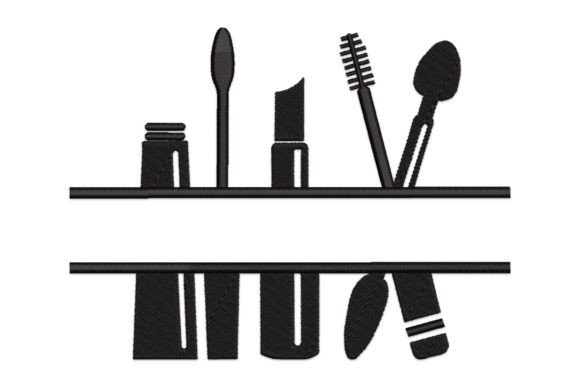
The immediate mood here is creative and playful. The split concept adds a dynamic, almost abstract layer to the familiar makeup elements. It moves away from a straightforward, literal representation. This gives it a contemporary edge that feels designed for a customer who appreciates something a bit more artistic. The layout promises good visual weight—it’s likely balanced enough to sit nicely on a garment without looking too heavy or too sparse. For embroidery designers, that’s a great starting point; it means the design has a strong inherent personality that doesn’t need much tweaking.
The Perfect Project Match: Where This Design Naturally Belongs
I’m imagining this stitched onto a high-quality cotton tote bag for a makeup artist’s brand or a boutique that sells handmade beauty kits. The theme is direct, but the execution is clever, elevating a simple tote into a stylish, branded item. It would also be a fantastic choice for a custom sweatshirt—something for a personal gift or a small shop’s merchandise line. The visual interest holds up on a larger scale.
Think about products where the design can be a focal point: pillow covers for a stylish bedroom, tea towels for a fun kitchen gift, or even a neat patch applied to a denim jacket. Because the theme is specific yet artistically presented, it has that giftability factor. It feels thoughtful and tailored, not generic.
A Real-Life Scenario: Preparing a Boutique Tote Bag
Let’s walk through a real case. A client wants a batch of embroidered tote bags as promotional items for her new beauty studio. She wants something that reflects creativity, not just a logo. Makeup Split comes to mind immediately. My process would be to test it first on a scrap of the bag’s fabric—probably a medium-weight canvas. I’d check how the split details and any potential smaller elements translate. Does the stitch density feel appropriate for the fabric? Does the design maintain its clarity from a few feet away? On a product like a tote, which is both decorative and functional, the embroidery needs to look professional and durable.
Performance in Real Stitching Situations
For custom apparel like t-shirts or sweatshirts, the success here will hinge on fabric choice and stabilizer. On a stretchy tee, the design’s integrity depends on a good stabilizer strategy to prevent puckering, especially if there are dense fill stitch areas. On a stable fabric like a crewneck sweatshirt, it should anchor beautifully. For baby clothes or nursery decor, I’d likely scale it down carefully; the whimsical theme could work, but tiny details might get lost on a small hoop size.
On caps or curved surfaces, the design’s overall shape needs to be evaluated—a very wide or asymmetrical layout might require clever positioning. For something like an apron or a kitchen towel, which faces frequent washing, the thread color contrast and stitch integrity are paramount. You want those colors to pop and hold up.
Careful Application: Where to Proceed with Caution
Any design with distinctive details deserves a thoughtful approach. If Makeup Split includes very fine lines or tiny lettering, I’d be cautious on textured fabrics like some linen blends, where stitch clarity can soften. On dark fabric backgrounds, a thorough thread color plan is essential—some shades might need to be brightened to maintain the same visual impact you see on a light background in the digital preview.
Also, for products intended as commercial embroidery or for a craft business selling finished items, always confirm the licensing. Can you use it for physical products you sell? This is a fundamental step that protects your work and your client’s trust.
How This Design Elevates Your Finished Product
From a business perspective, a well-executed embroidery design like this boosts perceived value. On a handmade product, it shows attention to theme and quality. For an Etsy seller or small shop owner, it contributes to brand consistency—if your niche is creative, beauty-related, or gift-oriented, this design aligns perfectly. It engages a buyer because it’s not just a graphic; it’s a stitched piece of art with texture and depth. That handmade presentation builds a stronger connection than a printed design often can.
Practical Designer Notes Before You Hoop It Up
- Always run a test on scrap fabric first. This is non-negotiable. It reveals everything about stitch density, thread behavior, and final size.
- Check thread color contrast against your final fabric. Create both light and dark background mockups in your software, even simple black and white previews, to judge the design’s form.
- Inspect the small details in the embroidery file. How will the split effect be rendered? Are there areas that might require careful tension or trim?
- Confirm the hoop size needed and ensure it’s compatible with your machine embroidery project plans.
- Use the proper stabilizer for your chosen fabric. A design with potential satin stitch borders or fill stitch areas needs the right support.
- If you’re selling the finished product, double-check that the digital embroidery file license covers commercial use. This protects your craft business.
In the end, Makeup Split strikes me as a design with strong commercial and gift appeal for the right audience. Its creative take on a beauty theme gives it a modern personality that stands out in a market of more straightforward icons. For embroidery designers and makers looking for a design that feels both thematic and artistic, it’s a compelling candidate. Your job is to translate that digital potential into a tangible, beautifully stitched reality—on a tote, a sweatshirt, or a personalized gift that someone will truly appreciate. That’s where the real magic happens.