Small Flowers Embroidery Design: A Practical Designer's Review
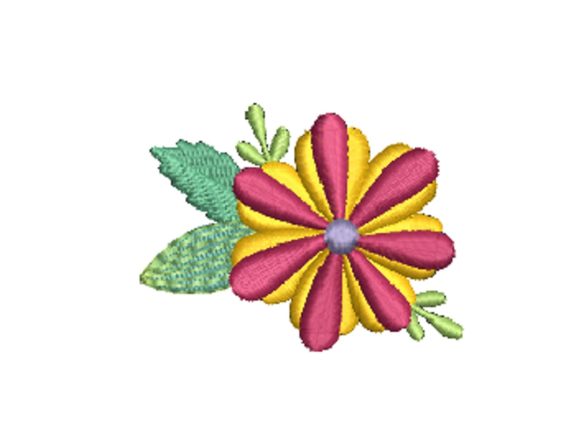
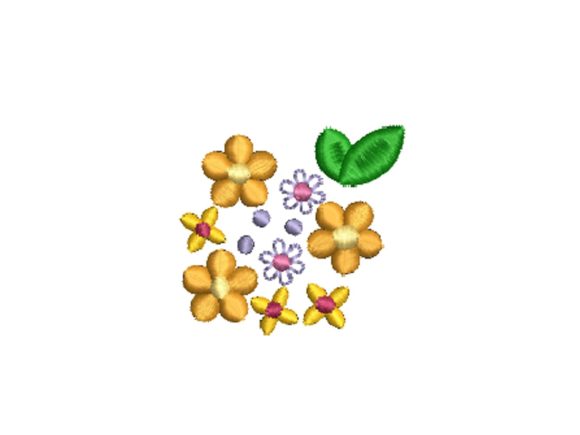
Before I stitch a new embroidery file into a real project—whether for a client order, a gift, or my own shop—I always take a moment to really look at it. Today, that’s the Small Flowers design. The name itself gives you an immediate cue: this is about delicate, likely clustered, botanical elements. My first impression is that this isn’t a bold, statement floral piece, but rather a charming, perhaps scattered, arrangement. It feels gentle and friendly, with a personality suited for adding a touch of handmade sweetness rather than dominating a garment.
The Mood It Creates and Where It Naturally Belongs
Floral designs are incredibly versatile, but each has its own home. Small Flowers evokes a mood of subtle, everyday beauty. It’s not formal or overly detailed; it’s the kind of pattern you’d want on a cozy kitchen towel, the corner of a baby’s blanket, or adding a personal touch to a simple tote bag. The scale suggests it’s meant to be an accent, not a centerpiece. For a crafter or small business owner, this translates perfectly into products that feel special but not overly ornate. Imagine a linen apron with a cluster of these small flowers near the pocket—it instantly feels boutique-made, a perfect item for an Etsy shop or craft fair table.
A Real-Life Scenario: Preparing a Personalized Gift Tote
Let’s walk through a real use case. I’m considering using Small Flowers to create a personalized tote bag as a wedding gift for a friend. I want it to feel handmade and thoughtful, not generic. The design’s likely layout—assuming it’s a grouping or border of little blooms—would work beautifully on the front panel of a canvas tote. I’m thinking about stitch clarity: on a medium-weight fabric like canvas, the individual petals and stems need to be clear and crisp. If the design uses clean satin stitches for outlines and perhaps some fill stitch for tiny leaves, it should hold up well and look professional. This is exactly where a design like this shines—adding value and a personal touch to a functional item.
Performance Across Different Projects
The true test of any machine embroidery design is how it performs across the spectrum of real-life embroidery situations. For Small Flowers, its name hints at its strengths and considerations.
On custom apparel like t-shirts or lightweight sweatshirts, the smaller scale is advantageous. It won’t create a heavy, dense area that might make a tee feel stiff or uncomfortable. It would be lovely on a baby clothes item, like the sleeve of a romper, provided the stitch density is appropriate for soft, stretchy knit fabric. For embroidered patches, a cluster of small flowers could make a charming, sew-on or iron-on patch for a backpack or jacket, again relying on clear detail definition.
Think about home decor: a single iteration on a pillow cover or repeated along the edge of a tea towel creates a consistent, handmade presentation. For a small shop owner, this kind of design can become a brand consistency asset—using the same floral motif across different product lines like aprons, towels, and simple caps.
Where to Use With Careful Consideration
Even a lovely design requires practical judgment. With Small Flowers, the “small” part is your guide. On highly textured fabrics like heavy linen or terry cloth, very fine details might get lost. On dark fabric, you must choose thread colors with strong contrast to maintain visual appeal. If the design has intricate, tiny corners or delicate connecting lines, curved surfaces like caps can pose a challenge, as the hoop distortion might affect the final shape.
Also, consider the end-use. If the finished product will need frequent washing—like a kitchen towel or a child’s item—you need to ensure the design is stitched securely with proper stabilizer so those small elements don’t fray or loosen over time, which would affect customer trust in a handmade product.
Affecting Value, Trust, and Giftability
How a design stitches out directly impacts customer engagement. A crisp, well-executed Small Flowers motif on a simple item elevates it. It tells the buyer that attention was paid. This boosts the perceived value of a handmade product and enhances its giftability. A personalized baby gift with a clean, small floral embroidery feels professional and cherished. For a creative entrepreneur selling digital embroidery files, providing a design that performs reliably like this builds your reputation as a source for quality design assets.
Practical Designer Notes Before You Hoop
My standard advice, which I follow myself, applies thoroughly here. Always test the design on scrap fabric first. Use fabric similar to your final project—test on both a light and dark scrap if you plan to use it on various backgrounds. This check reveals everything: the actual hoop size required (the listing should specify this; if not, you must determine it), whether any small details like thin stems are stitching clearly, and the overall stitch density. Density is key; too dense on a baby garment makes it stiff, too light on a tote might look sparse.
Review your thread color choices against your final fabric. Sometimes a design that looks good in a printable mockup needs a slight color adjustment when stitched. Check the licensing terms clearly provided in the listing to confirm it’s suitable for both personal and commercial projects if you’re making items to sell. And never underestimate the importance of the right stabilizer; it’s the foundation that keeps those small flowers looking perfect after many uses.
In the end, Small Flowers strikes me as a design with a quiet, widespread utility. It’s not flashy, but it’s the kind of reliable, charming embroidery file that becomes a go-to in your library for when you need to add a touch of handmade, floral warmth to a project. It’s about enhancing the everyday, and for designers, makers, and sellers, that’s where real connection with customers happens.