A Professional Embroidery Designer's Honest Review of Embroidery Photoshop Action
First Impression: Visual Mood and Project Fit
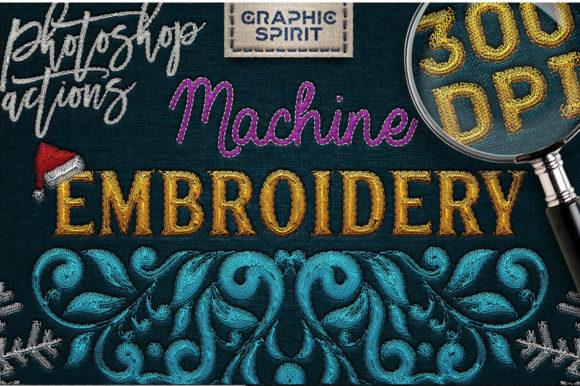
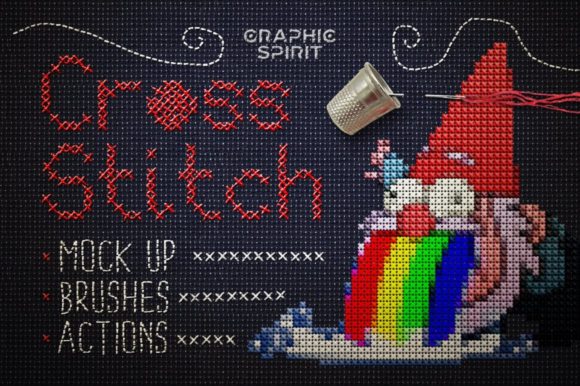
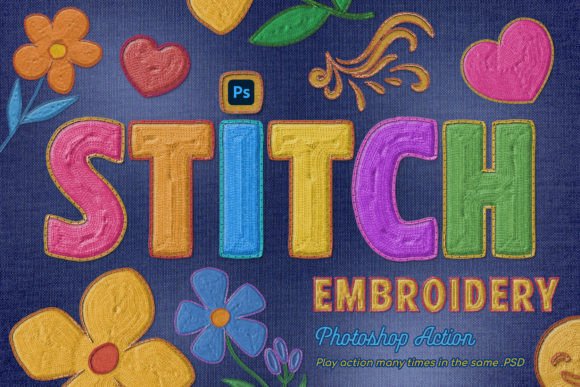
Opening Embroidery Photoshop Action, the immediate mood is vibrant and playful. The generated embroidery elements are decorative and detailed, suggesting a handcrafted aesthetic perfect for projects needing a cheerful, textured look. This isn't a minimalist, corporate style; it has a personality that naturally fits seasonal handmade gifts, baby items, kitchen towels, and boutique merchandise like tote bags and apron designs. The ability to create colorful compositions within the same PSD file means you can build a whole collection of coordinated designs—a huge plus for brand consistency across product lines.
From Mockup to Machine
For real customer orders—like a custom sweatshirt or a tote bag for an Etsy listing—this embroidery Photoshop action serves as a powerful starting point. It generates graphics that translate well into embroidery file concepts. However, the critical step is interpreting these colorful compositions for actual machine embroidery. The detail level shown may require careful adjustment for small hoop sizes. Tiny lettering or intricate layered details in the action's output could become problematic if the stitch density is too high for small areas or delicate fabrics like a baby blanket.
Considering Fabric and Form
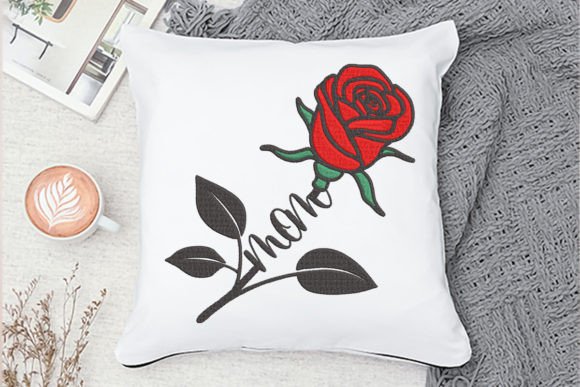
Practical application demands forethought. A design from this action might look stunning on a digital mockup for a pillow cover, but stitching it onto a curved cap surface or stretchy fabric requires simplifying dense stitch areas to prevent puckering. For dark fabric applications, the thread color contrast suggested by the action's palette needs to be reviewed; some lighter, decorative elements might lose impact. Always test on scrap fabric first, using proper stabilizer, especially for projects like aprons or kitchen towels that will undergo frequent washing.
Affecting Product Value and Customer Trust
Using a tool like Embroidery Photoshop Action elevates your design process, potentially boosting the final product's visual appeal and giftability. A well-executed embroidered patch or sweatshirt embroidery that originates from a unique, colorful composition feels more personalized and professional. This enhances buyer trust and the handmade presentation in your product photography and Etsy listings. For commercial embroidery products or craft fair items, this consistency in design quality can directly support your brand's reputation.
Important Notes for Commercial Use
Before selling any finished items, you must confirm file details and licensing on the Creative Fabrica product page. Since this is an Photoshop action (a Graphics/Actions product), it generates design assets, not direct embroidery files. You are responsible for translating the graphics into a suitable machine embroidery design, considering technical limits like stitch count and hoop size, which are not specified by the action itself. The action’s multilingual and cross-platform (PC or Mac) compatibility is a practical benefit for diverse workflows.
Practical Embroidery Notes and Final Thoughts
Is Embroidery Photoshop Action worth using? For embroidery designers and creative entrepreneurs looking to quickly generate inspired, decorative graphics for their projects, it is a valuable asset. It sparks creativity for custom apparel, printable mockups, and nursery decor. However, its worth is realized only through a disciplined real-world application process. Check stitch density, compare light and dark fabric mockups, and always inspect small details after stitching to ensure the design’s integrity on the final product.
The action allows you to "play action many times in the same PSD file," which is excellent for building cohesive collections—think a series of coordinated tote bag designs or a line of seasonal pillow covers. This flexibility can save significant design time. Ultimately, Embroidery Photoshop Action is a strong creative tool, but it is not a substitute for embroidery technical knowledge. Use it to create beautiful compositions, then apply your expertise to adapt them for the realities of satin stitch, fill stitch, and the physical constraints of your chosen fabric and hoop.