Ghostly Ever After: A Craft Fair Designer Review
Every designer preparing for a weekend craft fair knows the drill: you select your strongest embroidery files, test them on a dozen different surfaces, and visualize how they’ll look stacked on a display table. Today, I’m reviewing Ghostly Ever After Embroidery, considering it as a potential product for my booth, filled with tote bags, aprons, tea towels, patches, caps, pouches, and pillow covers. The name itself suggests a playful, slightly spooky romantic twist, likely positioning it as a Valentine's Day design. But is it a craft fair winner?
First Impression & Design Mood
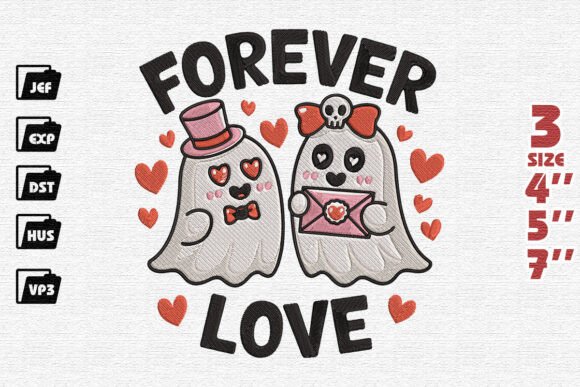
The title Ghostly Ever After immediately signals a niche appeal—it’s not a generic love heart. It feels funny, whimsical, and modern, blending a touch of Halloween with romance. For a handmade market, this specificity is powerful. It stands out from the sea of traditional floral and script designs. At a glance, I imagine it uses ghost motifs, perhaps with romantic text. This unique angle can grab a customer's eye quickly as they browse, especially younger buyers or those looking for a gift with personality. It doesn’t scream ‘farmhouse’ or ‘rustic’; it leans into a decorative, conversational style that feels premium because it’s clever.
Product Application: Where It Shines on the Booth
The product description says it can be embroidered on clothes, t-shirts, pocket mirrors, keychains, hair brushes, cases, and blankets. That’s a wide range. But for a craft fair table, I’m focusing on high-impact, tactile items.
- Tote Bags & Market Bags: A larger application, like on a canvas tote, would make this design a focal point. The playful theme turns a utilitarian bag into a statement piece.
- Aprons & Kitchen Towels: For a fun kitchen gift, embroidering Ghostly Ever After on a tea towel or apron corner adds charm. It must be sized appropriately so details aren’t lost on textured towel fabric.
- Embroidered Patches: This is a brilliant application. A patch allows customers to apply the design anywhere, and it’s a low-cost, high-margin item for a booth. The design must have clear, bold lines to work as a patch.
- Caps & Beanies: Embroidering on curved cap surfaces is tricky. If the design has dense stitch areas or small lettering, it might not translate well here. A simplified, slightly larger version would be better.
- Pillow Covers & Pouches: Smaller decorative items like fabric pouches or pillow covers are perfect. They feel giftable and handmade, and the design can be centered for maximum effect.
- Booth Samples & Display: Having one beautifully finished product, like a tote bag with this embroidery, as a sample on your table instantly demonstrates quality and attracts questions.
Practical Production & Selling Points
Turning a machine embroidery design into a sellable handmade product requires practical thinking.
Visual Clarity & Scale
For craft fair success, a design must be easy to understand at a glance. Ghostly Ever After, with its thematic name, likely achieves this. However, I must assess if it works as a small accent on a keychain or hairbrush, and as a large focal design on a blanket. Tiny details or intricate lettering can become muddy at small sizes, especially on textured surfaces. For batch production, consistency is key. If the design is too complex with many color changes or dense stitches, it slows down production for a weekend fair inventory.
Photography & Online Sales
For Etsy sellers and digital embroidery file marketers, how this design photographs is crucial. A whimsical design like this needs good thread contrast, especially if it’s intended for dark fabric. It should pop in listing photos. Creating a real, physical finished product mockup (not just a digital printable mockup) for photos is essential to show its true handmade quality.
Repeatability & Value Perception
Can I batch-produce 20 tea towels with this design efficiently? The answer depends on stitch density, hoop size, and thread color count. A moderately dense design on light fabric looks premium, but overly dense stitching on towels can be stiff. The right stabilizer is non-negotiable. Each successful, crisp embroidery increases the perceived value of the small shop product. This design, being thematic, might not be an everyday item, but for a seasonal Valentine's Day push, it could sell very well, enhancing brand consistency if your shop leans into quirky themes.
Designer Notes for a Successful Booth Product
Before committing Ghostly Ever After Embroidery to my production queue, here’s my real-world checklist.
- Test on Scrap Fabric First: Always run the embroidery file on the actual fabric you’ll use—be it canvas for totes, linen for towels, or twill for caps. Check for puckering or thread breaks.
- Check Thread Contrast: If the design uses light threads, test it on dark fabric scraps to ensure visibility. Contrast drives customer attention.
- Review Spacing & Detailing: Examine any small lettering or fine lines. They might need simplification for smaller applications like pocket mirrors or keychains.
- Confirm Hoop Size Requirements: The description mentions multiple formats, but I must check the actual required hoop size for my target products. A design that needs a large hoop limits what I can produce on smaller items.
- Inspect Stitch Density: High density on thick fabric like blankets requires careful stabilization. On a hairbrush case or beauty case, too much density could make the fabric stiff.
- Create One Real Mockup: Before batch production, make one perfect sample—a tote bag or pillow cover—to use as my booth display anchor. This sells the vision.
- Compare Fabric Colors: Experiment with embroidery on a few different color fabrics to offer variety at the fair. A white ghost design on a black tote is a classic combo.
- Confirm Commercial Licensing: The description states it’s a machine embroidery design with multiple file formats. I must verify the license allows for commercial embroidery and selling finished products. Never assume.
Final Booth Strategy & Buyer Engagement
In my imagined craft fair display, Ghostly Ever After Embroidery would occupy a specific spot: the ‘quirky gift’ section. A well-made embroidered tote bag as the centerpiece, surrounded by matching patches, tea towels, and perhaps a few pouches, creates a cohesive product line. This grouping boosts booth display strength. Customers notice themes. They might buy the patch and the tote together.
The design’s inherent story—a ghostly love story—provides a natural talking point. I can engage buyers by explaining its unique take on romance. This personal touch enhances the handmade quality perception and can turn a browser into a buyer. For my craft fair product lineup, it offers seasonal relevance with a year-round appeal for fans of quirky decor. Its success hinges on my execution: crisp stitching, thoughtful product choice, and clear, attractive presentation both on the table and in Etsy listings as a digital seller.
Ultimately, Ghostly Ever After Embroidery has the potential to be a standout, provided its technical design details—which I must check in the actual files—support practical, high-quality production across the products that matter most at a bustling handmade market.