A Designer's Take on the Ethnic Ornaments Background
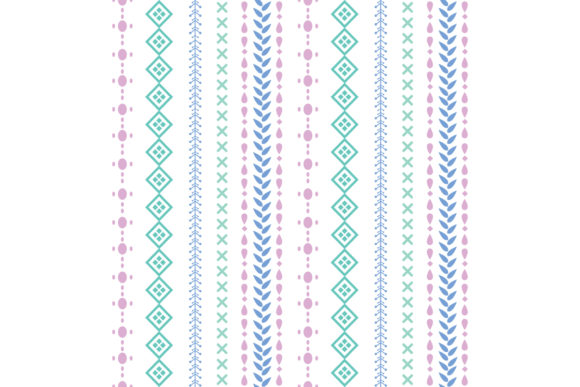
When you first open this design, the immediate impression is one of delicate structure. It's not a bold, statement border, but rather a thoughtful frame. The layout suggests a measured, almost architectural rhythm, which creates a mood of quiet sophistication rather than festive exuberance. This isn't for a loud holiday sweater; it's for something where the ornamentation should feel integral and considered.
The Natural Habitat for This Frame Design
In my studio, the first project I'd slot this into would be a linen pillow cover for a client wanting a touch of cultural heritage without overwhelming the room. The embroidery design acts as a clean border, framing a central monogram or a simple floral motif. Its personality is supportive, which makes it incredibly versatile for custom apparel like the collar or cuff area of a linen shirt, or as a hem detail on a lightweight tote bag. For Etsy sellers creating boutique kitchen towels or aprons, this frame could elevate a basic item into a handmade product with distinct character.
Where This Design Finds Its True Value
The real strength of Background with Ethnic Ornaments lies in its ability to add perceived value. On a plain baby item, like a muslin blanket, stitching this as a border transforms it from a simple gift to a cherished heirloom-looking piece. It signals care and craftsmanship. For small business owners in the craft business space, using such a detailed frame on your product packaging mockups or even as an embroidered detail on your shop's own branded caps can build customer trust through consistent, professional presentation.
Navigating the Practical Stitching Terrain
Embroidery is always a translation from screen to stitches. With a frame design, especially one with ethnic motifs, clarity is paramount. I would strongly advise testing this on scrap fabric first. Check how the smaller, intricate elements translate into satin stitch or fill stitch. Depending on the stitch density, it might require a good, firm stabilizer to prevent puckering, particularly on stretchy fabric like for caps or t-shirts.
Consider the fabric texture deeply. This design would sing on a smooth, tight-weave cotton but could get lost on a nubby linen if the details are too fine. For dark fabric, your thread color contrast becomes critical; you might need to adjust the provided color palette to ensure the patterns remain readable. A common pitfall with border designs is applying them to curved surfaces like caps—the corners and turns need to be inspected in a digital embroidery file preview to ensure the pattern flows correctly without awkward breaks.
When to Exercise Caution
This isn't a design I'd automatically hoop into a tiny 4x4 field. The "ethnic ornaments" imply a level of detail that needs space to breathe. Using it on very small hoop sizes could compress those ornaments into a dense, muddy line. Similarly, for products destined for frequent washing, like everyday tea towels, you need to ensure the stitch structure is robust enough to withstand wear without the finer lines fraying.
For apparel decorators thinking of using it on layered garments, like over a sweatshirt seam, placement is key. The border should sit in a flat, uninterrupted area. The design's elegance can be undone if it's distorted by a pocket or a zipper.
From Digital File to Customer Engagement
As a reviewer, I always think about the final viewer—the customer holding the finished product. This frame design creates a sense of completeness. It encloses, it finishes, it presents. On a personalized gift, like an embroidered wedding vow keepsake, the frame lends a ceremonial, official feel. That directly boosts giftability and recognition.
For digital product sellers, this embroidery file is a solid design asset. When creating printable mockups for your store, a clean border like this can make your mockups look more polished and desirable, increasing buyer engagement. It suggests that the final embroidered patch or tote bag design will have that same finished quality.
A Few Designer Notes Before You Hoop
- Always test on scrap. This is non-negotiable. See how the ornaments stitch out in your chosen thread on your actual project fabric.
- Review the design in both black and white mockups. Does it hold its structural feel when imagined in negative space?
- Check the intended hoop size against the design's detail level. Ensure your machine can handle the possible stitch density in the fill areas.
- Confirm the licensing. Before you stitch this onto a batch of small shop merchandise for a craft fair, verify the license permits commercial embroidery use. Never assume.
- Think about thread economics. A multi-color frame might look beautiful, but for commercial projects, a simplified, two-color version using the same structure might be more cost-effective.
Ultimately, Background with Ethnic Ornaments is a designer's tool. It’s not the main event; it’s the sophisticated setting that makes the central element shine. Used thoughtfully—on the right fabric, with the right stabilization, and in the right context—it can be the subtle detail that turns a simple embroidery project into a product that feels intentional, valuable, and distinctly handmade.