A Designer's Take on the Leaf Wreath Embroidery File
When you’re looking at a new embroidery design for real project use, it’s not just about the picture on screen. It’s about imagining the thread hitting the fabric, the finished piece in someone’s hands, and whether it elevates the product. I’ve been testing the Leaf Wreath embroidery design with that mindset, thinking through its potential from my workbench to a client’s doorstep.
The First Impression: Quiet Elegance with Versatile Charm
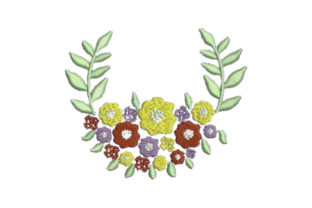
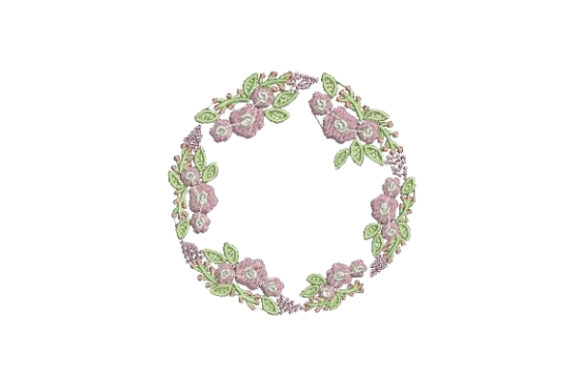
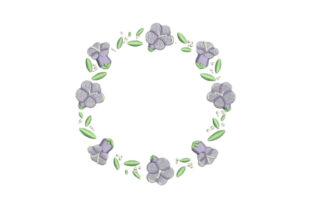
My immediate reaction to the Leaf Wreath was its balanced, classic feel. It’s a laurel wreath, but it avoids being overly ornate or too simplistic. The layout is symmetrical and cohesive, creating a sense of quiet elegance rather than loud celebration. This visual personality suggests a wide range of applications—it’s neither exclusively feminine nor masculine, and it carries a touch of nature without being a specific seasonal motif. For embroidery designers and makers, this is a valuable starting point: a design that doesn’t pigeonhole itself.
The detail level appears thoughtfully considered. From a design perspective, it looks crafted to offer clarity when stitched, without areas so dense they become a stabilizer nightmare on thinner fabrics. This balance is key for commercial embroidery and small business owners who need a design that stitches out cleanly and reliably, maintaining its appeal on different products.
Where the Leaf Wreath Finds Its Home: Real Project Scenarios
Let’s walk through a real-life scenario. I was preparing a custom embroidered tote bag for a boutique client wanting a subtle, branded natural touch. The Leaf Wreath came to mind immediately. Its circular form sits beautifully on a bag panel, and the laurel theme conveys a handmade, artisanal quality without needing explanation. On a navy cotton canvas, using a forest green and a touch of cream thread, the design popped with understated professionalism.
This is where the design’s strength shines. It adapts. For a baby item, like a little sweatshirt, scaling it down and using pastel threads transforms it into gentle nursery decor. On a crisp white apron or a kitchen towel, it becomes a charming culinary accent. For holiday gifts, it’s a timeless emblem that feels personal rather than festive. For Etsy sellers and craft fair vendors, this adaptability means one digital embroidery file can support an entire line of products: tote bags, sweatshirts, pillow covers, tea towels, and even patches.
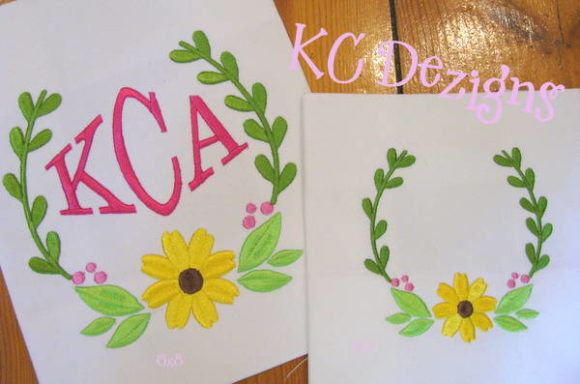
Thinking of apparel decorators, the wreath works beautifully on the left chest of a t-shirt or centered on a sweatshirt back. Its shape naturally frames a space. For personalized gifts, adding a monogram or date inside the wreath circle would be straightforward, enhancing the giftability and perceived value. The design acts as a reliable foundation for customization.
Visual Appeal and Customer Perception
How does this affect buyer engagement? A cleanly embroidered Leaf Wreath on a product conveys craftsmanship. The symmetry and completeness of the wreath signal a finished, professional touch. For a small shop product, this builds customer trust—the item looks intentionally made, not hastily applied. In printable mockups for digital product sellers, this clarity helps the design asset sell itself, showing potential buyers exactly the quality they can expect on their finished product.
Practical Considerations and Designer Notes
Of course, no design is perfect for every single application. With the Leaf Wreath, its success depends on mindful execution. On textured fabrics like a thick sweater or a bag with a pronounced weave, the finer details might lose some definition. On very dark fabric, thread color contrast is paramount; a single dark green thread on black could get lost, so a slight color shift or an added highlight color might be necessary.
Stitch density, from what I can assess visually, seems manageable, but areas with potential satin stitch borders or fill stitch leaves should be checked on scrap fabric first, especially if you plan to embroider on stretchy fabric like a cap. The curvature of a cap’s front can distort circular designs, so testing hoop placement is crucial here. For products needing frequent washing, like baby clothes, ensuring the stabilizer is properly chosen and threads are secured will maintain the wreath’s integrity over time.
My standard advice for any design like this applies fully:
- Always test on a scrap of your target fabric first. This reveals how the thread colors interact with your material’s base color.
- Check the design in both light and dark fabric background mockups, even simple black and white screenshots, to judge contrast.
- Inspect the small details in your test stitch-out. Are any corners or tiny elements too tight for your machine’s capability?
- Confirm the hoop size needed. The circular shape likely requires a hoop that can accommodate its full diameter without cramping.
- Use a proper stabilizer suited to your fabric weight and the design’s stitch density to prevent puckering.
- Most importantly, confirm the licensing terms of the Leaf Wreath embroidery design before selling any finished items or commercial embroidery projects. Ensure your craft business or Etsy listings operate on solid ground.
The Final Verdict for Makers and Entrepreneurs
The Leaf Wreath embroidery design is a robust, versatile asset. It doesn’t scream; it whispers quality. For handmade shop owners and creative entrepreneurs, it’s a design that can become part of your brand’s visual language, offering consistency across apparel, home goods, and gifts. Its mood is adaptable, its execution appears straightforward for a well-set machine, and it has the inherent visual appeal that makes a product feel special.
Whether you’re embroidering it on a client’s custom apparel, producing a line of embroidered patches, or creating holiday gifts for your market, it’s a file worth having in your library. Approach it with a designer’s practical eye: test it, adapt it to your context, and let its quiet elegance do the work of elevating your next embroidery project.