Reviewing Hand Drawn Embroidery Stitch Borders for Craft Fair Products
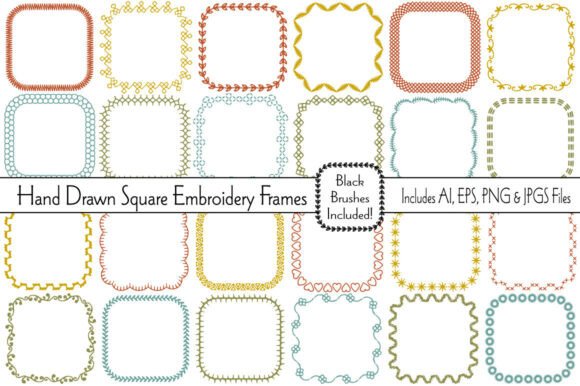
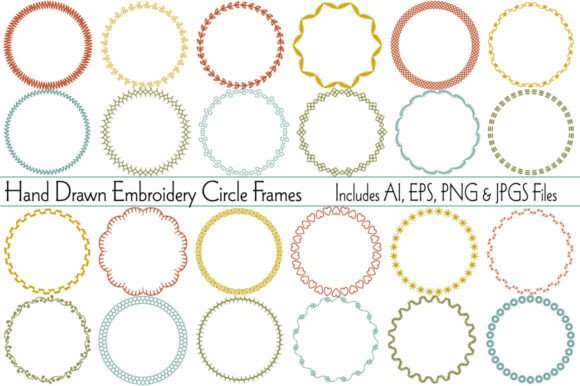
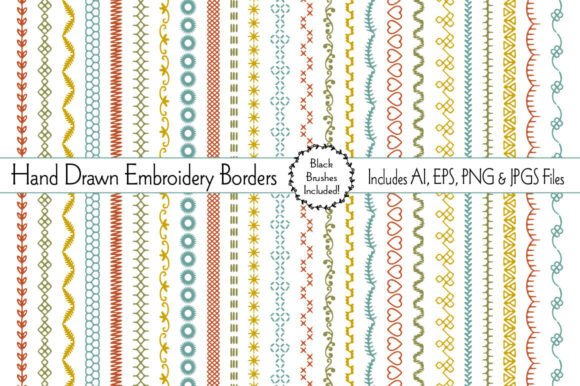
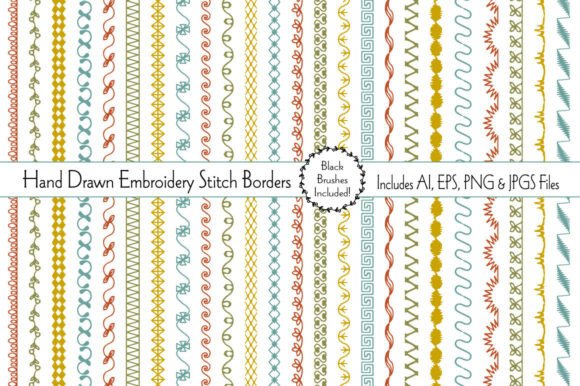
As an embroidery designer preparing for a weekend market, my first task is to evaluate new design assets for their real-world potential. When looking at Hand Drawn Embroidery Stitch Borders, my immediate impression is one of versatile, decorative charm. The description suggests a hand-drawn quality with retro colors, which translates to a feeling of soft, rustic elegance. This isn't a loud or funny design; it's a premium, decorative accent that whispers handmade quality.
Where These Borders Will Stand Out on Your Booth Table
The true test of any embroidery file is how it performs on actual products. For craft fair sellers, visual appeal at a glance is critical. Customers walking past your booth need to be drawn in by something distinctive. Hand Drawn Embroidery Stitch Borders have a specific strength: they frame and finish a product. Imagine a simple tea towel. A single, elegant stitch border along the bottom transforms it from a basic utility item into a giftable handmade product. On a tote bag, a border running along the top edge or around a pocket adds a layer of thoughtful design that feels intentional and bespoke.
For smaller items like fabric pouches or embroidered patches, a border can become the entire focal point, creating a polished, completed look. On pillow covers, these borders offer a beautiful alternative to large central motifs, providing a softer, more minimal decorative touch that appeals to a modern farmhouse or boutique aesthetic. In my experience, this type of design often catches the eye of customers looking for something "pretty" and well-made rather than bold or thematic.
Practical Performance on Key Market Products
Let's break down the application across typical craft fair inventory.
- Tote Bags & Market Bags: Borders along handles or edges photograph beautifully for Etsy listings and add perceived value. They work as a smaller accent, saving on thread and time for batch production.
- Aprons & Kitchen Towels: Perfect for the hem or a pocket trim. The retro colors mentioned could pop against natural linens or canvas, enhancing that handmade quality.
- Caps: Caution here. Curved surfaces can distort linear borders. A shorter, adapted border section might work near the back seam. Always test on scrap fabric first.
- Embroidered Patches: This is a prime application. A border can neatly frame a simpler central text or icon, creating a cohesive, professional-looking patch.
- Pillow Covers & Pouches: Excellent for creating a custom, decorative frame. It elevates these items from simple sewn goods to decorated home accessories.
- Booth Samples & Printable Mockups: The editable brushes included are a boon for creating digital mockups quickly, which is vital for Etsy sellers and digital sellers previewing products.
Selling & Production Considerations for Your Small Shop
Turning a digital embroidery file into profitable handmade products requires a practical lens.
First, repeatability for batch production. Borders, by nature, are often linear and can be efficient to stitch repeatedly, especially if the stitch density is reasonable. However, the phrase "hand drawn" implies potential variation and detail. I would strongly advise testing one design on your actual machine with your typical thread and stabilizer setup. Check for any overly dense stitch areas that might cause puckering on thinner fabrics like tea towels, or that consume excessive thread, affecting your cost per product.
Second, photography and online appeal. These decorative borders will look excellent in product photos, providing clear evidence of craftsmanship. They help a product feel "finished," which increases customer engagement in listings. For dark fabrics, ensure the retro color palette has enough contrast; you may need to adapt thread colors from the design's inspiration.
Third, scale and clarity. Since the brushes can be used at any point size or length, you have flexibility. But remember: a tiny, intricate border on a thick fabric like a canvas apron might lose clarity. Conversely, a large, bold border on a pillow could become a stunning focal point. Always create at least one real physical mockup before committing to a production run. Compare how it looks on different fabric colors from your inventory.
Critical Use Notes for the Embroidery Designer
Before your needle hits the hoop, run through this checklist.
- Test on Scrap Fabric: Use the same material as your final product (textured towels, smooth cotton, canvas).
- Check Thread Contrast: Do the suggested retro colors work on your light and dark base fabrics?
- Review Spacing & Hoop Size: Ensure the border length fits comfortably within your standard hoop for the target product.
- Inspect Stitch Density: Look for any sections that might be too thick, risking fabric distortion or long stitch times.
- Use the Right Stabilizer: Match it to your fabric weight to keep those clean lines crisp.
- Confirm Commercial Licensing: The product is categorized as Illustrations/Graphics. Before selling finished products, verify the license terms for commercial embroidery use. This is a non-negotiable step for any small shop product.
How These Borders Boost Your Booth's Visual Appeal
From a market seller's perspective, Hand Drawn Embroidery Stitch Borders contribute significantly to booth display strength. A table filled with items that have consistent, thoughtful detailing—like coordinated borders across your apron, tote, and towel line—creates a sense of brand consistency. It tells a story of a careful maker. Customers notice cohesion; it makes your collection look curated and professional.
This design asset increases product value by adding a layer of decoration without overwhelming the base item. It feels handmade but not amateurish. For the creative entrepreneur, this versatility means you can develop a signature look—perhaps using a select few of the 24 borders across your entire product range—making your craft fair booth instantly recognizable.
Ultimately, in the bustling environment of a handmade market, products that showcase clear, attractive craftsmanship win attention. Hand Drawn Embroidery Stitch Borders, applied wisely, are a tool to achieve that. They turn simple sewn goods into decorated, gift-ready items that justify a higher price point and resonate with buyers seeking authentic, premium handmade quality.