Floral Embroidery: A Design Review for Real Projects
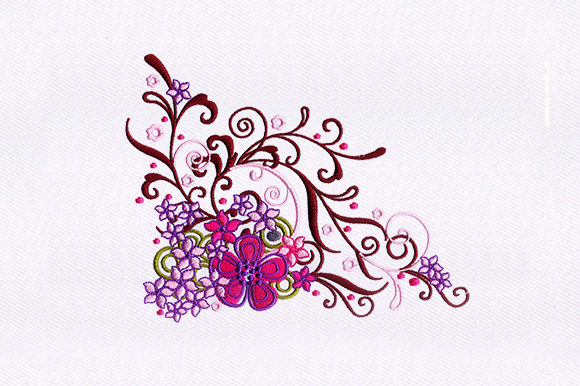
Whenever I’m handed a new embroidery file for a client project or a piece for my own shop, I try to visualize it completely finished. Not as a digital preview, but as stitches on fabric, on a garment someone will wear, or on a product that will sit in a home. Today, I’m looking at the Floral machine embroidery design.
First Impression: Where This Flower Blooms
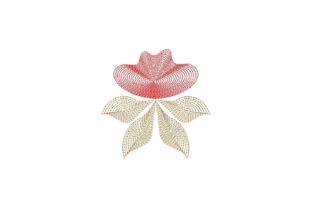
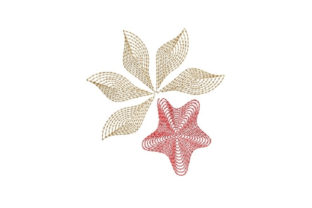
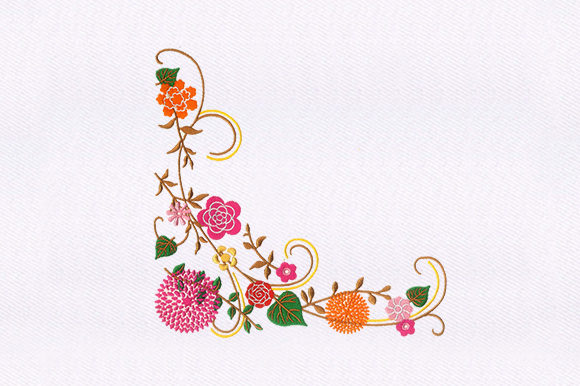
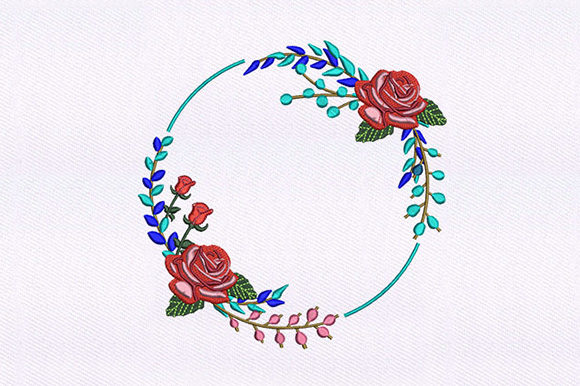
This Floral design immediately strikes me as a versatile, standalone motif. It’s a classic single flower design, which means its visual personality is both welcoming and gentle. It doesn’t scream for attention; it quietly suggests a touch of handmade charm. The mood it creates is soft, slightly nostalgic, and universally pleasant—perfect for projects where you want to add warmth without overwhelming the base item.
In terms of layout and detail, it feels balanced. It’s not overly dense, which is a good sign for stitching clarity on a variety of fabrics. This isn’t a design meant for a dramatic statement piece, but rather for enhancing something already lovely. I instinctively think of it on a linen apron, a cotton pillow cover, or the corner of a tea towel. It belongs to that category of embroidery that makes everyday objects feel special.
The Real-Life Embroidery Scenario: A Custom Tote Bag
Let’s walk through a real case. Imagine you’re preparing a batch of custom embroidered tote bags for a craft fair or an Etsy launch. You want something that’s attractive, quick to stitch, and appeals to a broad audience. This Floral design fits that bill beautifully.
Stitched onto a natural canvas tote, this flower would provide a focal point without being too “busy.” The stitch density looks manageable, meaning it won’t create a stiff, bulky patch on the fabric that might affect the bag’s flexibility. The finished product would feel professional and thoughtfully made, increasing its perceived value for a customer. For a small business owner, that handmade presentation directly translates to customer trust and better engagement.
This same principle applies to a host of other products. On a baby blanket or nursery decor item, it offers a sweet, non-gendered accent. On a sweatshirt, positioned over the heart or on a sleeve, it becomes a personalized gift. As an embroidered patch, it could be applied to a cap or backpack with good results. Its simplicity makes it a strong candidate for holiday gifts—think a monogrammed pillow with this flower beside the name—or for boutique branding on simple kitchen towels.
Performance Notes: Where to Use It & Where to Be Careful
For a design like Floral, performance hinges on preparation. On stable, medium-weight fabrics like cotton, linen, or canvas, I anticipate it will stitch out cleanly. Using a proper stabilizer is, of course, non-negotiable to maintain its shape.
However, there are situations where you’ll need to proceed with more care. If you’re considering very small hoop sizes, you must inspect the small details first. Some single flower designs lose definition when miniaturized. Always test on scrap fabric first, especially if your target fabric is textured, very thin, or stretchy. On dark fabric backgrounds, thread color contrast becomes paramount; this design’s appeal relies on its clarity.
I would be cautious about using it on highly curved surfaces like caps without a test run, as the design’s shape might distort. Also, for products destined for frequent washing, like t-shirts or baby clothes, you need to ensure the stitch density isn’t too high for the base fabric, as dense stitches can stress the material over time. A quick test on a similar fabric scrap will tell you everything.
Visual Appeal & Commercial Considerations
From a business perspective, a clean, well-executed Floral embroidery elevates a product. It signals care and craftsmanship. For an Etsy seller or apparel decorator, using a reliable, attractive design builds brand consistency—customers come to recognize your style.
This design also has high “giftability.” It’s inoffensive and pretty, making it a safe choice for personalized products you’re creating for a client’s gift. In digital product previews or printable mockups for your shop listings, it will present well, suggesting a quality finished product.
Before using it for any commercial embroidery project, including craft fair products or small shop merchandise, you must confirm the licensing terms for this digital embroidery file. The product description calls it an “original quality embroidery,” but always verify whether it’s licensed for commercial use of the finished items. Never assume.
Practical Designer Checklist Before You Hoop
My final thoughts are always a checklist. Here’s what I’d do before committing this Floral design to a real project.
- Test on Scrap: Always. Use the same fabric and stabilizer combination as your final project.
- Check Contrast: Stitch it out, or at least visualize it, on both light and dark background mockups. Does it hold its visual appeal?
- Review Hoop Size: While the description doesn’t specify, your machine’s capabilities and the product size will dictate this. Ensure the design fits comfortably within your chosen hoop without compromising detail.
- Inspect Small Details: Look closely at any potential fine lines or corners in the design. Will they translate well to stitches?
- Thread Colors: Plan your palette. Sometimes a slight deviation from the preview colors can make the design pop more on your specific fabric.
- Consider the End Use: Is this for a delicate baby item, a sturdy tote, or a decorative pillow? Your stabilizer and stitch density choices should reflect that.
Embroidery, at its best, is about anticipation. You’re anticipating how stitches will lay, how a customer will react, and how a product will endure. The Floral design, from this review standpoint, appears to be a dependable, charming asset for a wide range of projects. It’s not a flashy star, but a reliable performer—and in the world of handmade products and custom apparel, that’s often exactly what you need.