An Embroidery Designer Reviews Sewing Embroidery PS Brushes
As an embroidery designer working with small businesses every day, I see a common need: authentic, textured designs that feel handmade and premium. When a client—a café, boutique, or craft brand—asks for embroidered merchandise, they’re not just looking for decoration. They’re building their brand identity on uniforms, patches, and product labels. So, when evaluating a new tool like Sewing Embroidery PS Brushes, my first question is: will this help create commercial embroidery that builds trust and recognition?
First Impression: A Toolkit for Handmade Authenticity
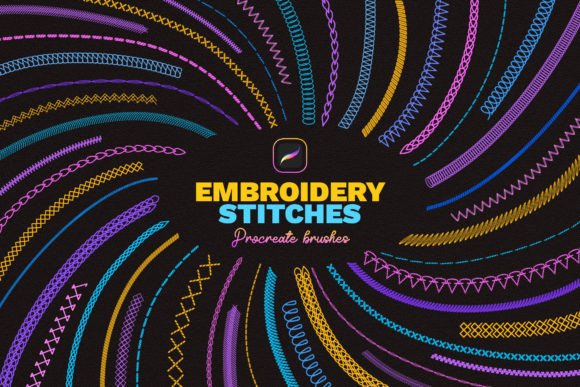
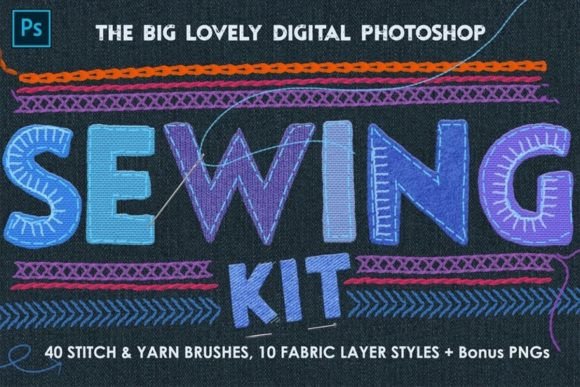
From the description, this set promises 40 elements including stitches, yarns, and knots. That immediately signals a move away from generic, flat graphics. For a small business, the visual personality of their merch is critical. These brushes suggest a rustic, friendly, and artisanal feel. Think of a bakery’s apron, a florist’s tote bag, or a pet brand’s patch—this kit could provide the detailed, textured accents that make those items feel special and thoughtfully made. It leans towards handmade presentation rather than sterile corporate logos, which is perfect for Etsy sellers and creative studios.
Real Business Use: From Digital Mockups to Stitched Products
The true test is in application. Here’s how Sewing Embroidery PS Brushes could perform across typical small business merchandise projects.
Creating Professional Branded Patches
Patches are a huge market for local businesses and event merch. Using these brushes to design a patch means you can incorporate realistic stitch textures and yarn details into the artwork before it becomes an embroidery file. This allows for a more accurate printable mockup for client approval. The key is translating that digital texture into real thread. For a chest logo accent or a sleeve detail on a work shirt, this texture can add depth and a premium feel, increasing perceived product value.
Uniforms, Caps, and Aprons with Character
For staff uniforms, a simple logo can feel cold. Adding a subtle knitted border or a braid element from these brushes around a café’s name on an apron can make it feel warm and approachable. For cap embroidery, especially on the curved front, a design built with these elements needs careful consideration for stitch density and spacing. The textured brushes could create a bold, modern look for a creative studio’s branded caps, but they must work at that small scale.
Tote Bags, Product Labels, and Packaging Accents
A boutique’s tote bag mark or a handmade shop’s product label embroidery is a direct customer touchpoint. Using crochet or macrame knot elements from this set could visually signal craftsmanship and attention to detail, boosting buyer engagement. It makes the merchandise feel like a customer gift, not just a purchase. For product packaging accents on fabric tags, these details can create incredible visual consistency across a brand’s entire line.
Where to Use with Care: Practical Design Notes
Not every design asset works everywhere. Based on experience, here are crucial considerations when using Sewing Embroidery PS Brushes for commercial embroidery projects.
- Scale is Critical: Test the design at the actual small patch size or cap front dimensions early. Detailed textures can blur or become too dense when minimized.
- Fabric and Washability: On textured fabric like canvas tote bags or dark uniforms, thread color contrast is vital. A design with many textured elements must remain legible. Always consider how frequent washing will affect the finished product.
- From Digital to Physical: Always create a mockup for client approval, but remember the digital brush texture must be interpreted by the machine embroidery design. Check spacing and outlines to ensure the embroidery file will stitch cleanly.
- Production Readiness: Before finalizing any business use, confirm the practical details. Check the required hoop size for the final design, plan for the proper stabilizer, and, most importantly, test on real fabric. A successful digital design can still fail if the stitch density is too high for the material.
Building Brand Identity with Textured Design
The ultimate goal is strengthening the brand. Using a tool like Sewing Embroidery PS Brushes affects brand identity on several levels. It can make a small business look more established and professional by showcasing a custom, detailed aesthetic. It builds customer trust through a cohesive and high-quality handmade presentation across all merch—from staff apparel to product packaging. The recognition factor increases because the designs are unique and textured, not easily replicated with standard graphics. For a digital embroidery file buyer or a merch creator, this set is more than decoration; it’s a collection of design assets that can elevate the entire brand’s visual story.
Essential Steps for the Embroidery Designer
Before committing a design to production, my workflow always includes:
- Testing the concept in black and white first to evaluate form without color distraction.
- Comparing it beside the business’s other design assets for visual consistency.
- Reviewing thread color palettes that will complement the textured brush effects.
- Absolutely confirming commercial licensing terms for the brushes before any business use, as the product description focuses on the kit’s contents rather than license specifics.
In closing, Sewing Embroidery PS Brushes appears to be a powerful graphics set for designers serving small businesses that value an authentic, crafted look. Its potential for creating distinctive embroidered patches, custom apparel, and branded merchandise is significant. However, its success hinges on the designer’s skill in translating those digital textures into viable, production-ready embroidery files that consider scale, fabric, and the rigorous demands of real-world use. For the boutique, the bakery, or the handmade brand, it could be the tool that makes their merchandise not just seen, but remembered and valued.