A Honey Bee Gnome Embroidery Review for Market Success
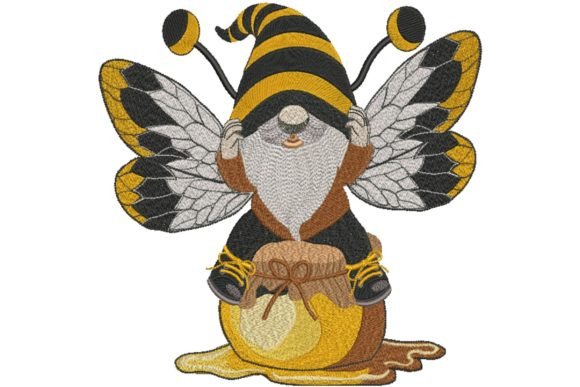
As an embroidery designer preparing for a weekend craft fair, every design in my catalog gets a practical review. Today, I’m looking at the Honey Bee Gnome machine embroidery design. My goal isn't just aesthetic approval; it's about judging its potential to become a sellable, high-quality product on my booth table.
First Impression: Rustic Charm with Storybook Appeal
The title Honey Bee Gnome immediately sets a mood. It feels rustic, cute, and storybook. This isn't a minimalist geometric pattern; it's a character-driven illustration. In the Fairy Tales category, it leans towards a gentle, farmhouse-friendly fantasy. That’s a powerful niche. At a market, amidst more generic florals or logos, a gnome paired with a honey bee offers a narrative. Customers don't just see a decoration; they see a little scene, which can spark an emotional connection and drive a purchase.
Where This Gnome Will Shine on Your Product Table
Visualizing my display—tote bags, aprons, tea towels, caps, patches, and pillow covers—I evaluate where Honey Bee Gnome would stand out.
- Tote Bags & Market Bags: As a larger focal design, it would be excellent. The rustic charm elevates a simple canvas bag into a specialty item.
- Aprons & Kitchen Towels: Perfect here. The bee element ties naturally to kitchen and garden themes, making it feel purposeful rather than just decorative.
- Embroidered Patches: This could be a standout. A Honey Bee Gnome patch appeals to both gnome collectors and garden lovers, offering versatility.
- Pillow Covers & Blankets: As mentioned in the description, it works on blankets. For a pillow, it creates a cozy, storybook accent in a home.
- Small Giftables: Keychains, pouches, and beauty cases listed in the description are smart. The design’s cuteness scale down well for intimate, gift-friendly items.
The key is product matching. On a child’s t-shirt, it’s whimsical; on a tea towel, it’s thematic; on a cap, it’s a unique statement. I would likely create a small collection around it: an apron, a matching towel set, and a pouch. This shows customers the design’s versatility and increases my brand consistency across the booth.
Practical Production & Selling Considerations
Turning a digital embroidery file into a profitable handmade product requires a realistic assessment.
Design Clarity & Production Scale
Honey Bee Gnome appears to be an illustrated design, likely with defined elements: the gnome, bee, and possibly small details. For production:
- Small Accent vs. Large Focal: I need to test it at different sizes. On a keychain, tiny details like bee wings or gnome hat textures might lose clarity if the stitch density is too high or the design is too condensed. On a tote bag, those details will sing.
- Photography & Online Sales: For my Etsy listings and printable mockups, this design should photograph well. The character-based nature creates a clear, appealing focal point in product photos, which is crucial for digital sellers.
- Batch Production: If the design is well-balanced without excessive stitch count in small areas, it could be efficient for batch-producing items like patches or pouches. I always advise: create at least one real mockup on your intended fabric before committing to a production run.
Technical Embroidery Notes for Success
Here are my direct designer notes for anyone using this machine embroidery design for commercial or small shop products:
- Test on Scrap First: Always embroider the design on a scrap of your actual product fabric—be it textured towel, curved cap fabric, or dense tote bag canvas.
- Thread Contrast & Fabric Color: The bee and gnome likely need good contrast. Test on both light and dark fabric to ensure details pop. A dark bee on a dark apron might vanish.
- Stitch Density & Stabilizer: Assess the file’s stitch density. Dense areas on fabrics like towels or fleece for blankets require the correct stabilizer to prevent puckering and maintain that handmade quality look.
- Hoop Size & Spacing: Confirm the required hoop size from the file details. For placement on items like caps or curved brushes, careful hooping and positioning are vital.
- Commercial Licensing: The description states it’s a machine embroidery design for these products. However, always confirm the specific commercial use license terms included with the file before selling finished products at a fair or online.
Final Booth Strategy: Engaging the Customer
In a live craft fair setting, Honey Bee Gnome affects customer engagement. Its storybook appeal can stop someone browsing. A gnome embroidered on the pocket of an apron makes the product feel narrative and special, increasing perceived product value. Having a finished, high-quality sample—like a beautifully embroidered pillow cover—as part of my booth display demonstrates the design’s potential and my skill, strengthening my entire table’s appeal.
For boutique makers and creative entrepreneurs, this design offers a path beyond generic work. It fills a specific, charming niche. By carefully selecting the right products, testing the technical execution, and presenting it as part of a cohesive handmade story, the Honey Bee Gnome can become a reliable, attention-grabbing asset in your embroidery product line.